Nova Scotia and the Highlands
Almost completely surrounded by water, Nova Scotia is famous for its high tides, lobster, fish, blueberries, and apples. It is the world’s top exporter of Christmas trees. The coastline totals 8,400 miles, double the width of Canada; incredibly, there are 5,000 lakes in the province; we only saw a handful, probably because we mostly followed the coastline. The largest lobster ever caught in the world was in Nova Scotia, weighing 20.14 kg (44 lbs 6 oz). And yet, fun facts states that the official food of Halifax (the capital) is the donair, a rip-off of a Greek doner but lamb didn’t sell well here so this version is made of shaved ground beef! We weren’t aware of this when we were there and we didn’t have the opportunity to try one. Nova Scotia is widely known for its music, especially folk, Celtic, and traditional Scottish music. Two musical names we know that hail from NS are Anne Murray and Sarah McLachlan.
Although we had been to Nova Scotia years ago it made such an impression we always wanted to return. In fact, this is probably our favorite province in Canada. This time we wanted to focus on Cape Breton Island at the NE end of the province.
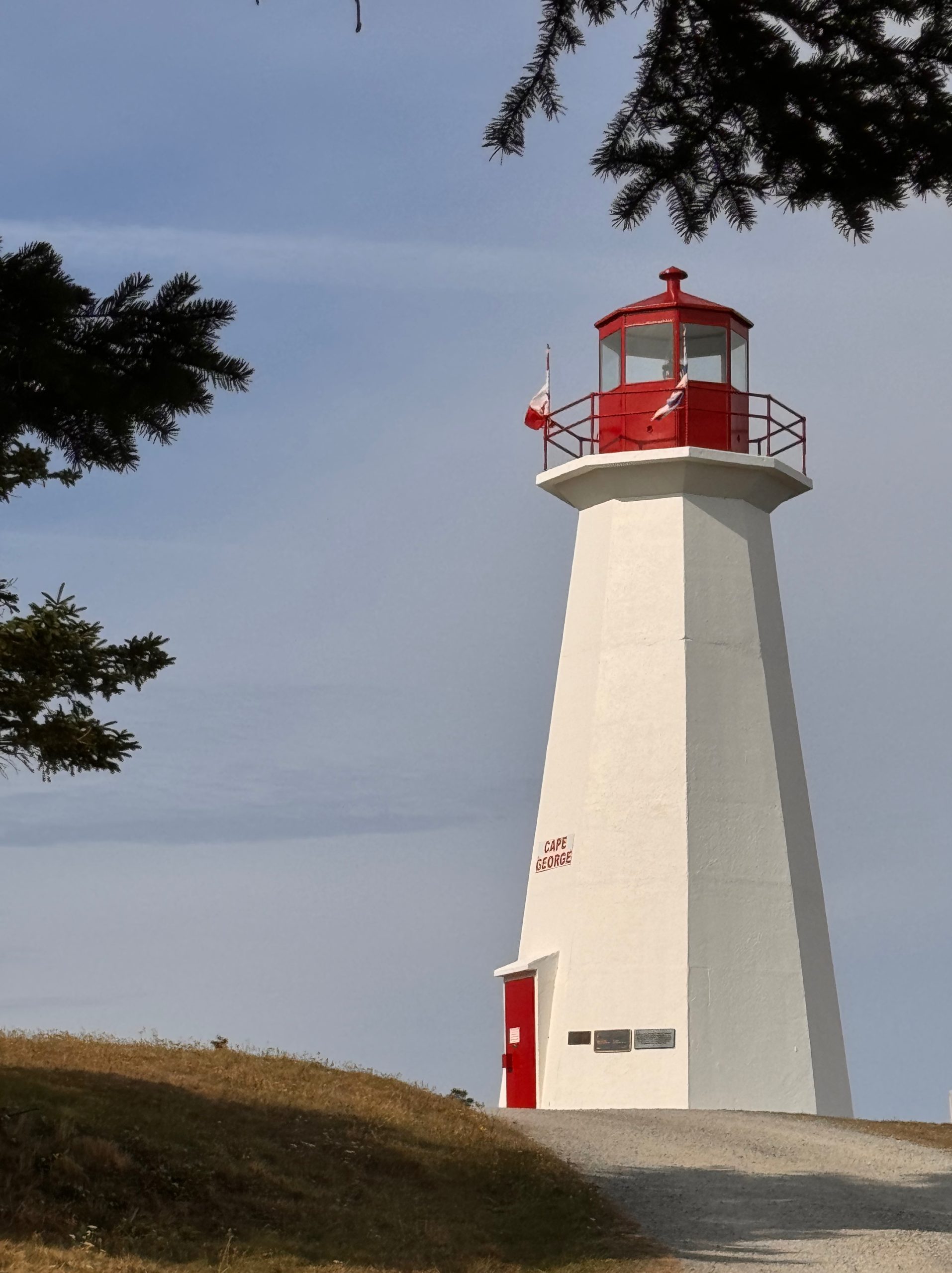
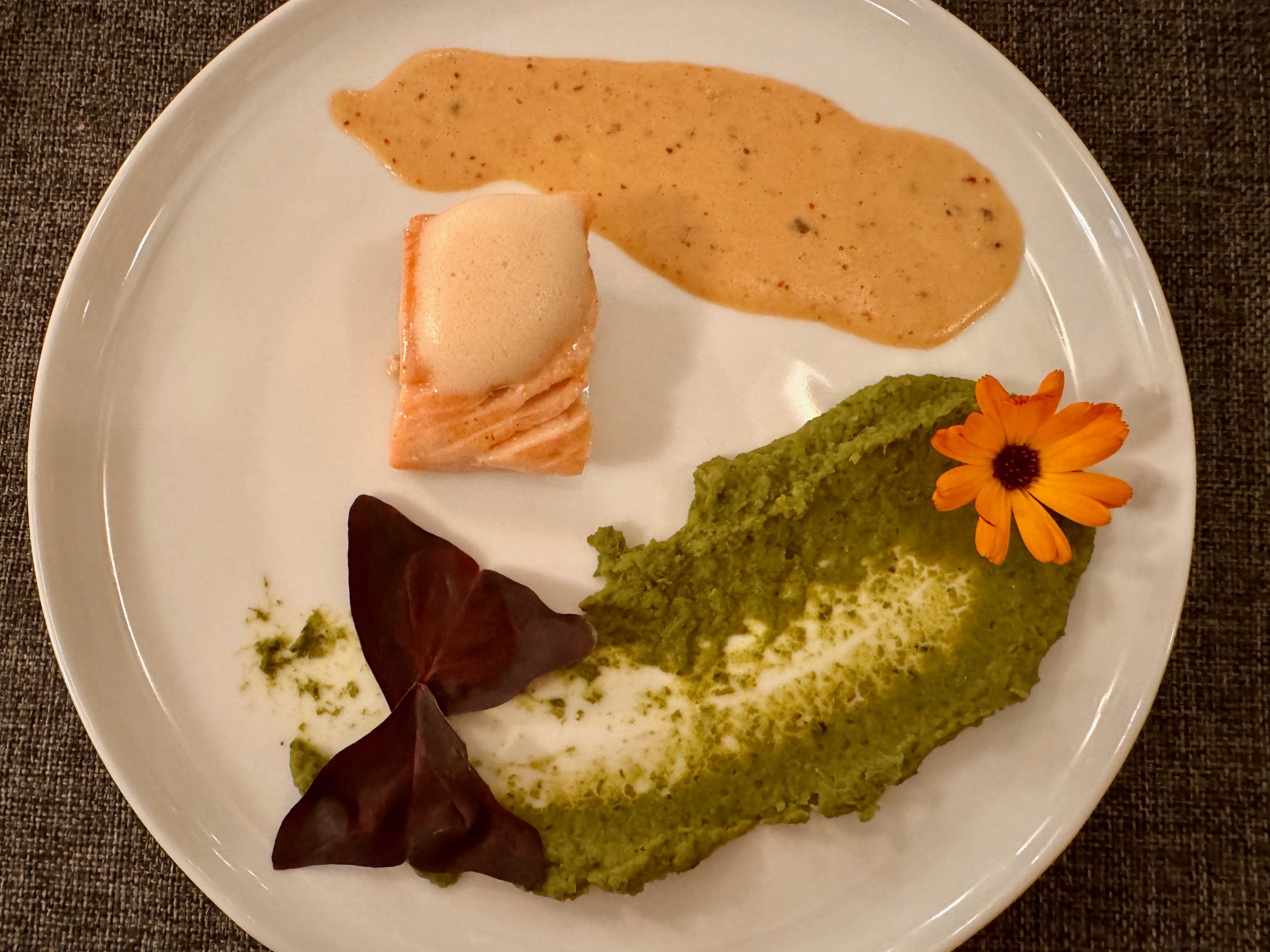
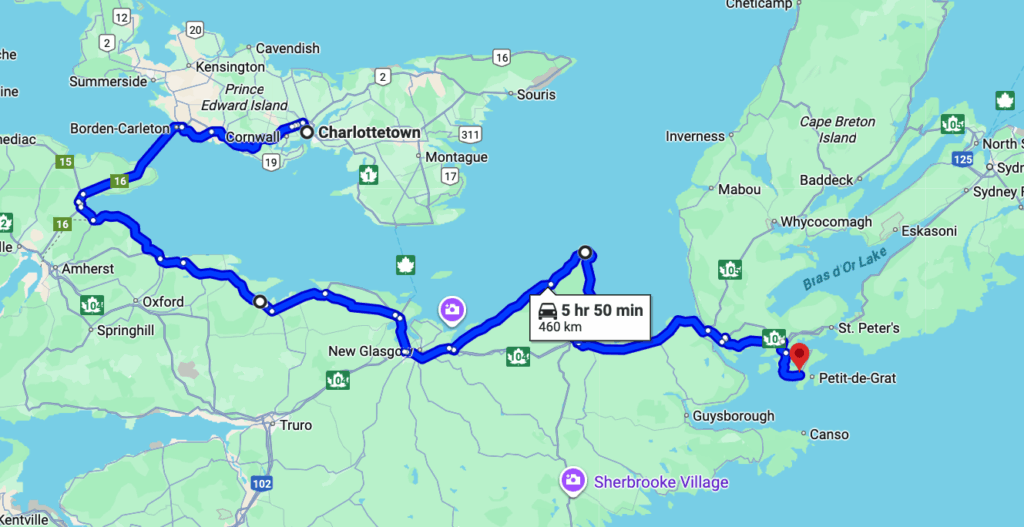
We booked the ferry from PEI to Nova Scotia but the day before we were to sail we were advised that the boat was cancelled due to mechanical problems. This meant we had to go the long way around, back over the Confederation Bridge and through New Brunswick. This really only set us back about an hour since the ferry takes time, too. Our first stop in NS was Cape George which gave us a view across Northumberland Strait to the lighthouses on PEI. Once we crossed the Canso Causeway we headed toward Baddeck, a sweet little town, usually the starting point for those traveling the legendary Cabot Trail. Our hotel the first night was the Chanterelle Inn. The reviews were all incredibly glowing and I found it charming in a old-fashioned kind of way, but not quite so wonderful as the reviews made it sound. Even the 5-course dinner – “the best on Cape Breton” – was underwhelming and rather expensive considering the good exchange rate. Despite it all, we had a good night’s sleep, barely hearing the rain that had developed during the evening.
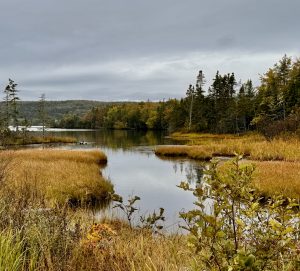
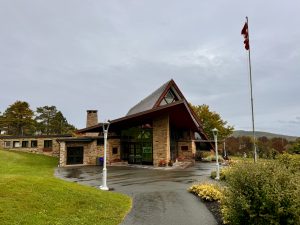
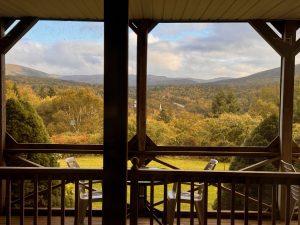
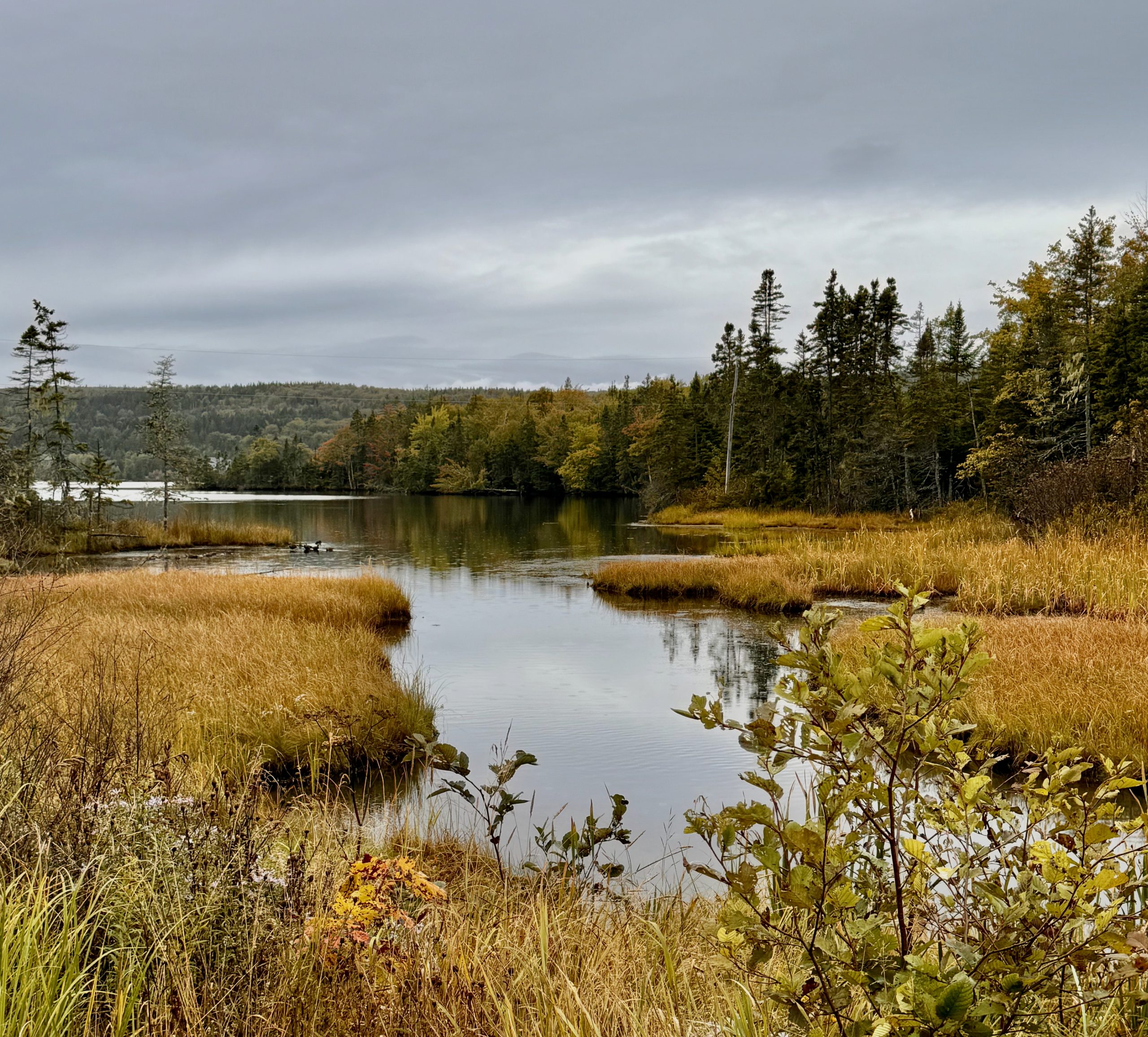
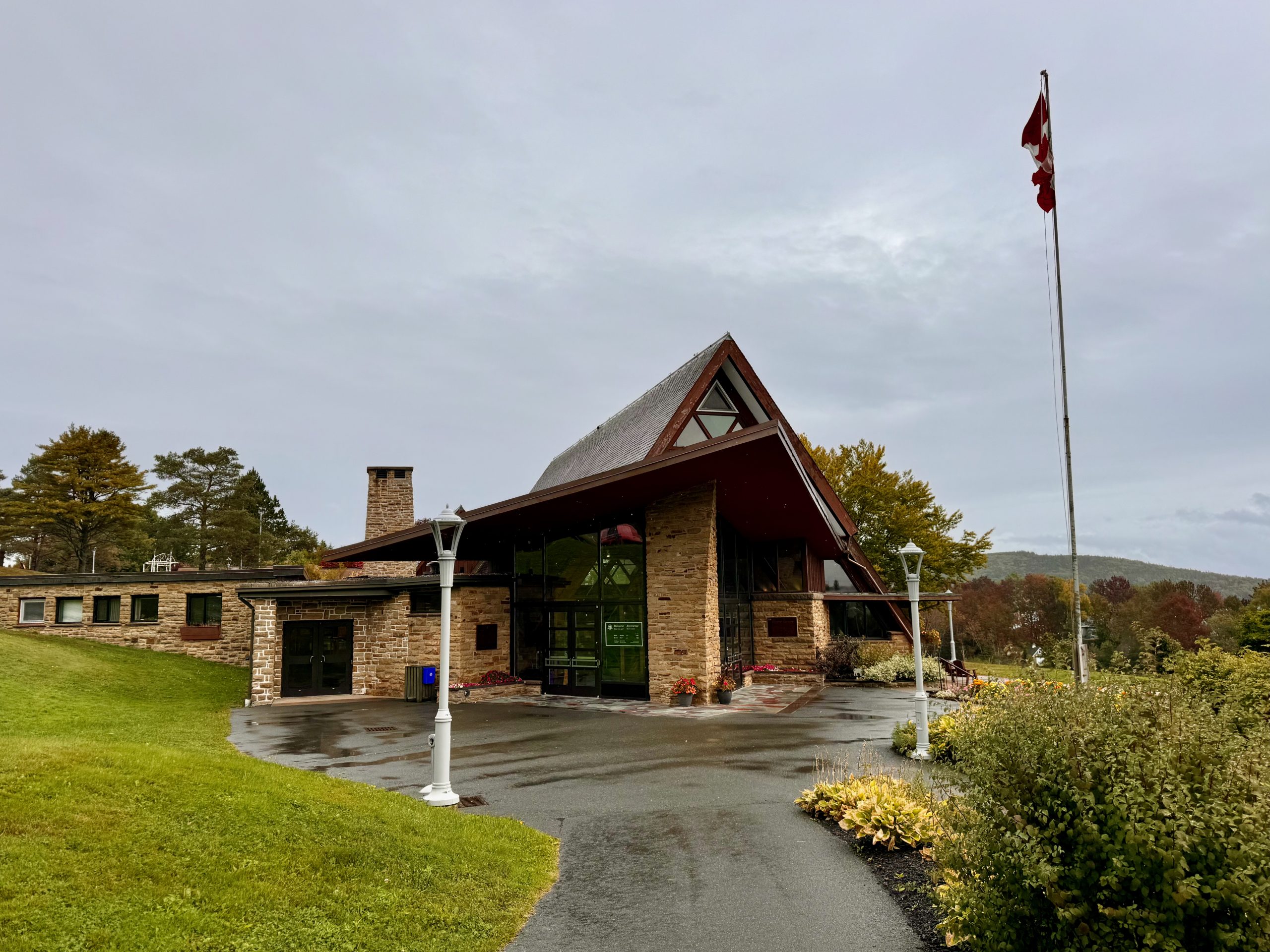
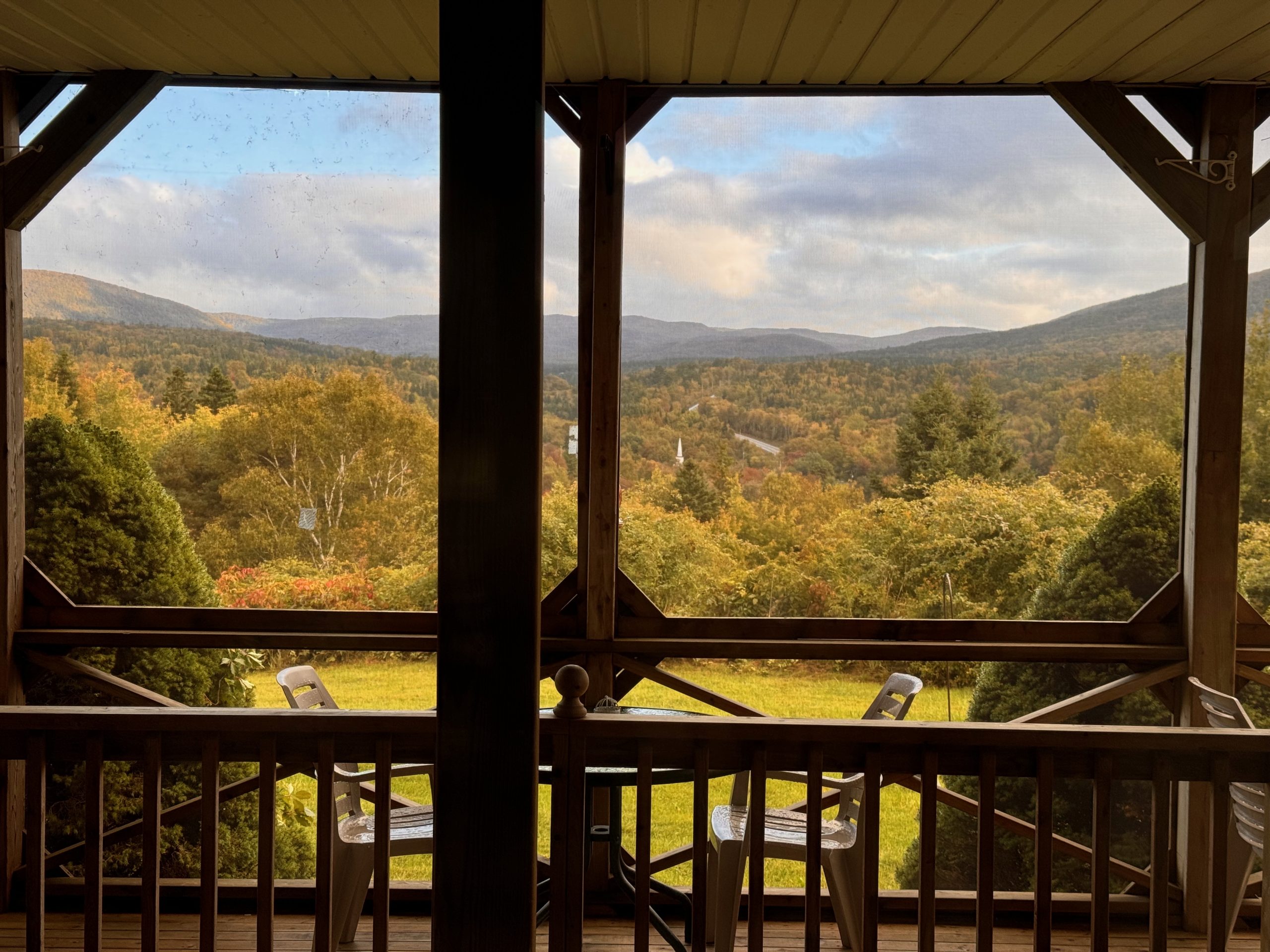
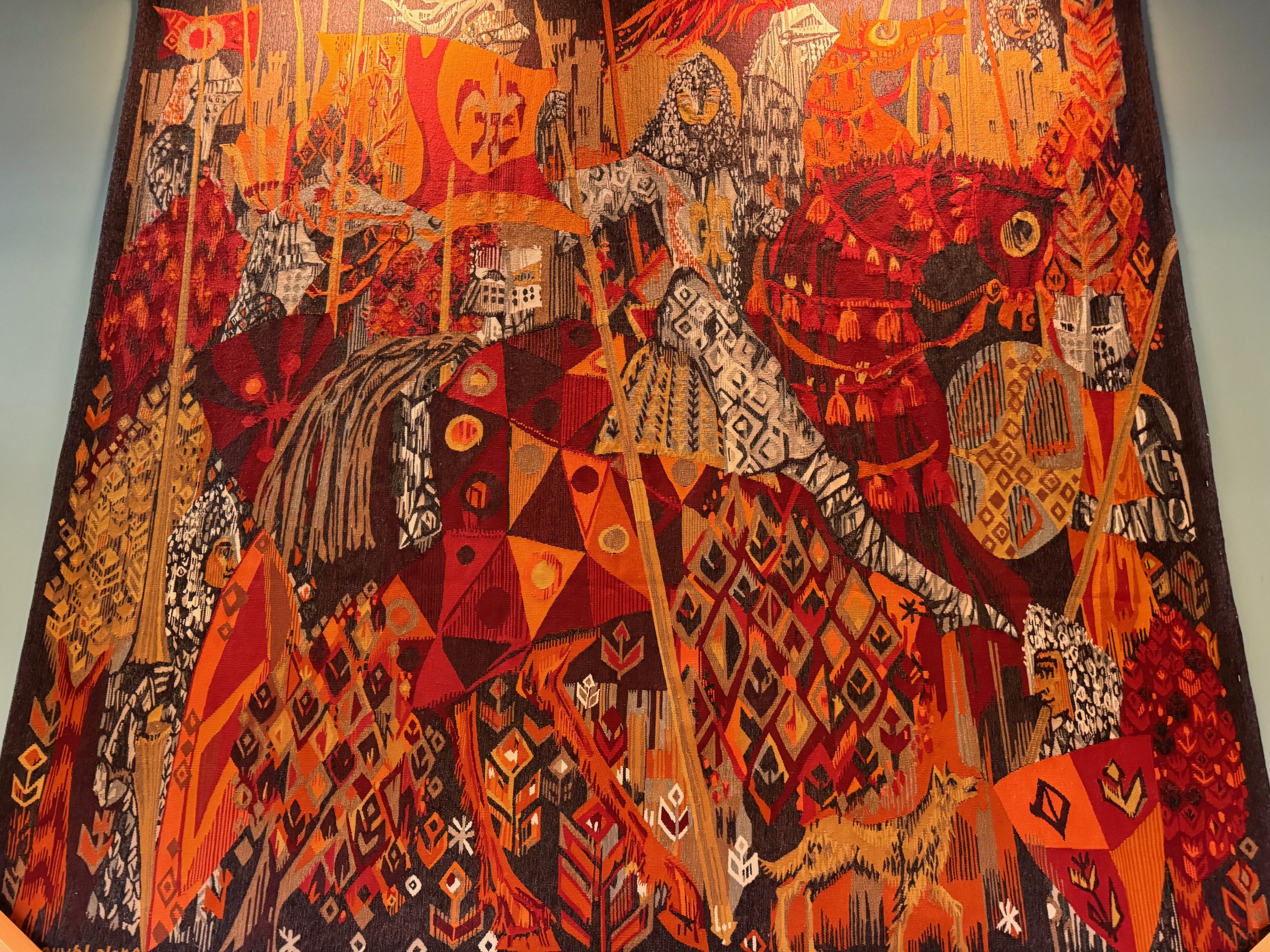
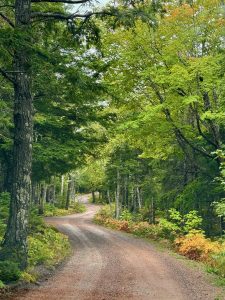
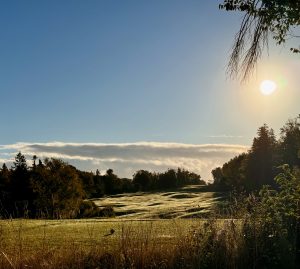
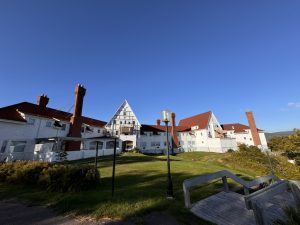
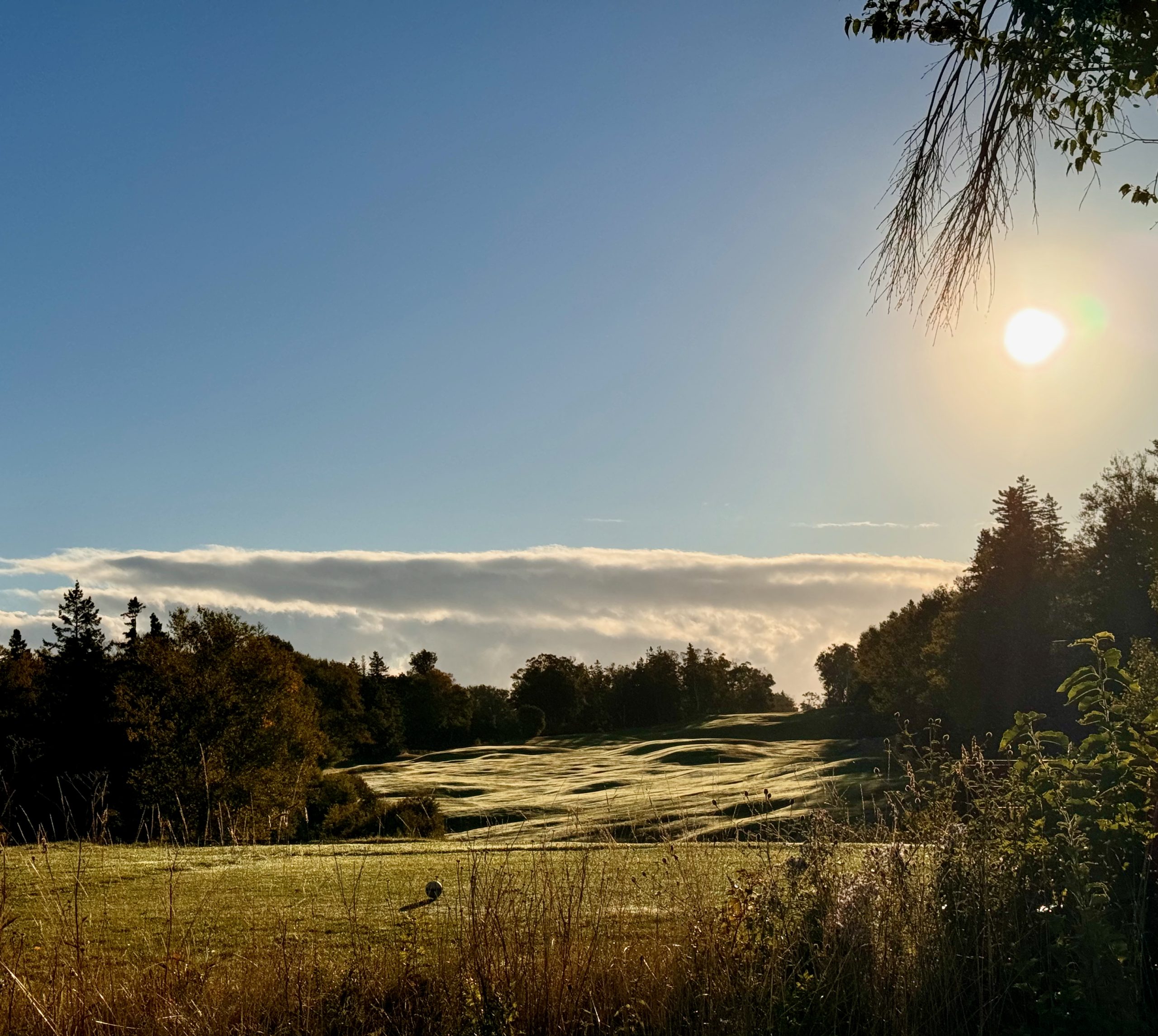
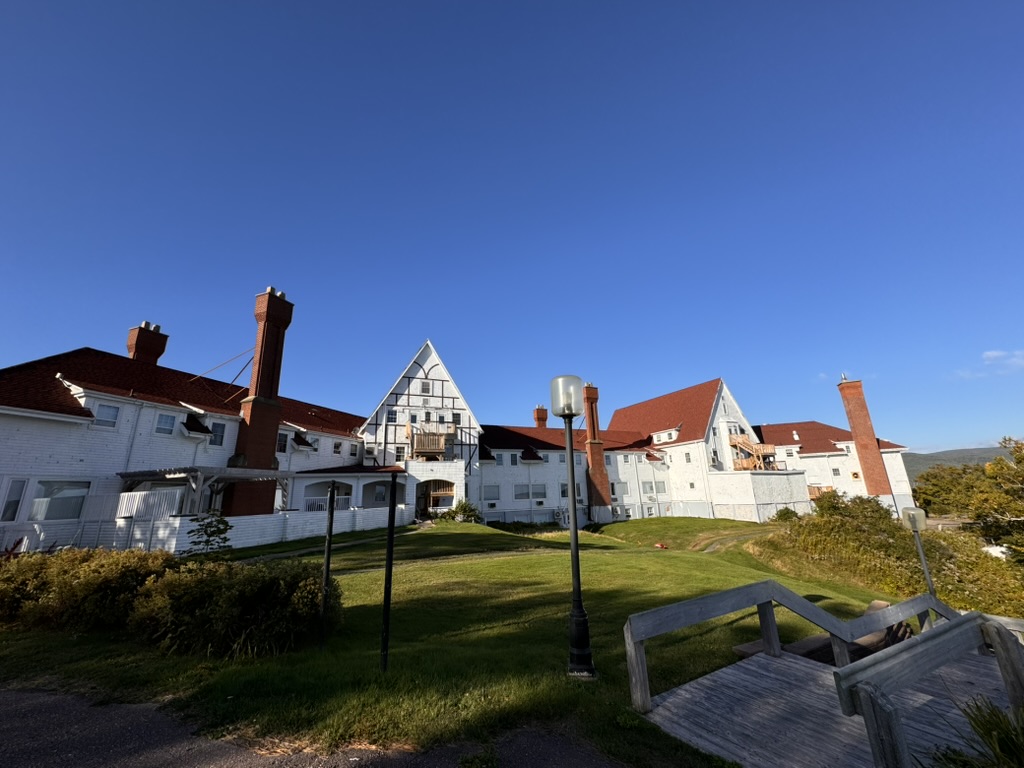
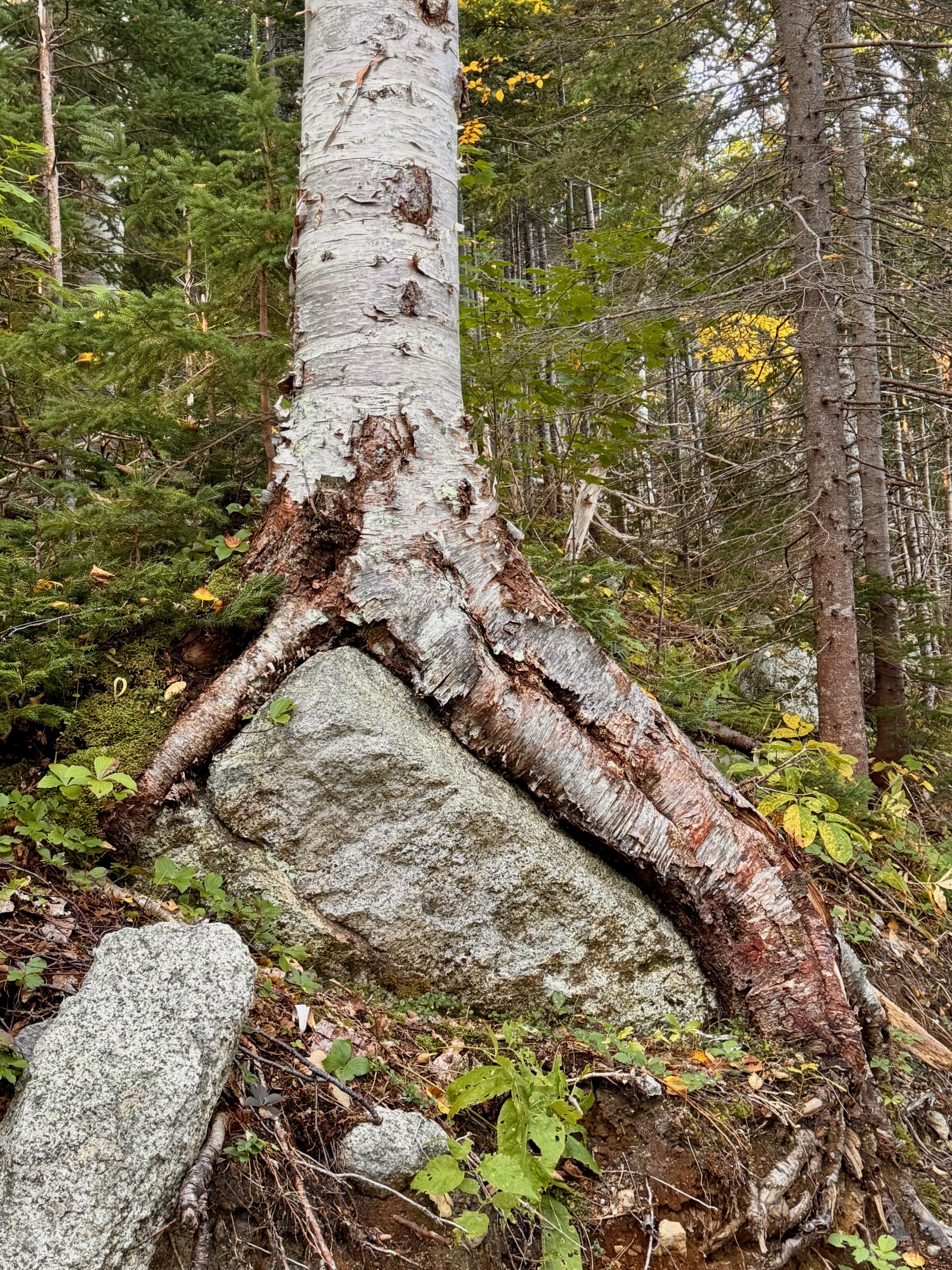
We had decided to splurge and spend the next two nights at the internationally acclaimed Keltic Lodge. There isn’t a single other inn or B&B on Cape Breton with a location that can rival the Keltic Lodge. Located on the east coast of the Cabot Trail in Ingonish, the lodge is within Highlands National Park. It’s positioned on a very narrow peninsula, so the Atlantic is on two sides. The views are spectacular. And even the drive into the lodge is wonderful. You wander along a narrow road through a birch forest until you reach the public golf course, Cape Breton Highlands Links. Even the name evokes Scottish lore. My aim was to play the course during our stay but a month ahead I was unable to secure a tee time. Turns out there was a private event during our stay. This saved us about $500.
The Keltic Main Lodge holds both historical and contemporary significance in the region. During its early years, the property established itself as a provincial destination, known for its culinary offerings and hospitality standards. However, the old lodge and cabins have fallen into such disrepair that these have been all but abandoned. Parks Canada is under pressure to find a partner to fund a major overhaul.
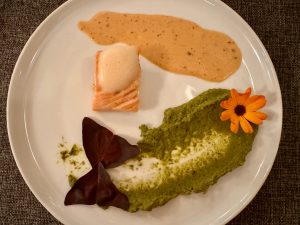
I wasn’t aware of the demise of the original buildings when I booked a room in the modern, very comfortable, but not luxurious, lodge with a separate restaurant facility. Our room was very nice but lacked the character that the old lodge no doubt sported. The dining room was reminiscent of a dining hall at a camp resort…a large noisy space that accommodates many guests and offers pretty average food. We tried it one night but our second night we went the the Main Restaurant in town for fried haddock…a staple on every menu we saw on Nova Scotia. The kitchen closed at 7 and we were advised to arrived early – before 6 – to secure a table. Customs are different in these parts.
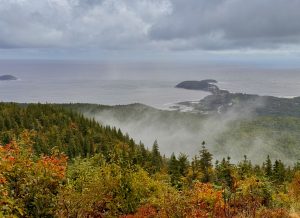
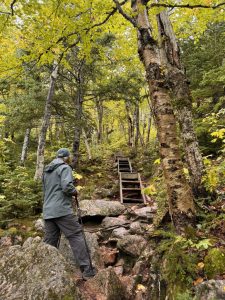
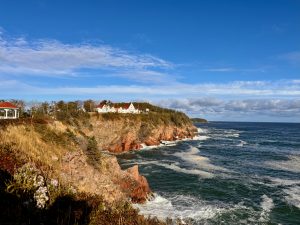
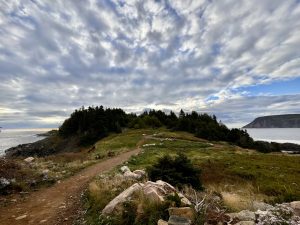
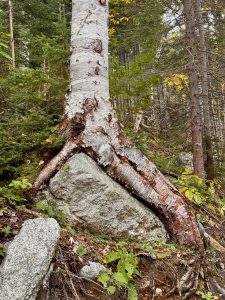
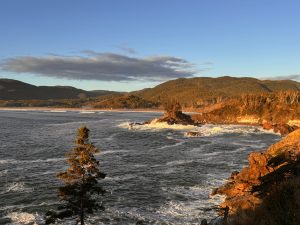
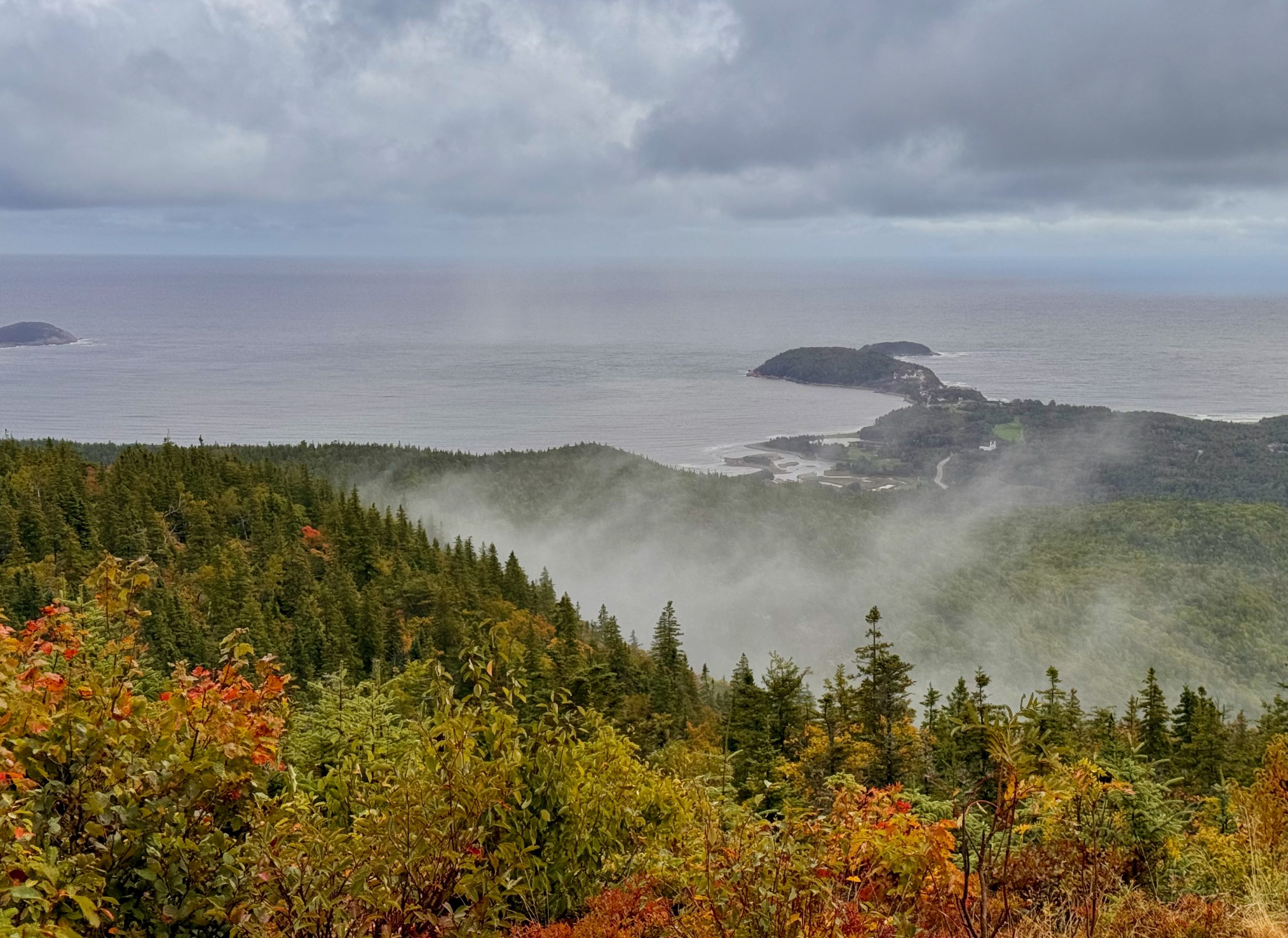
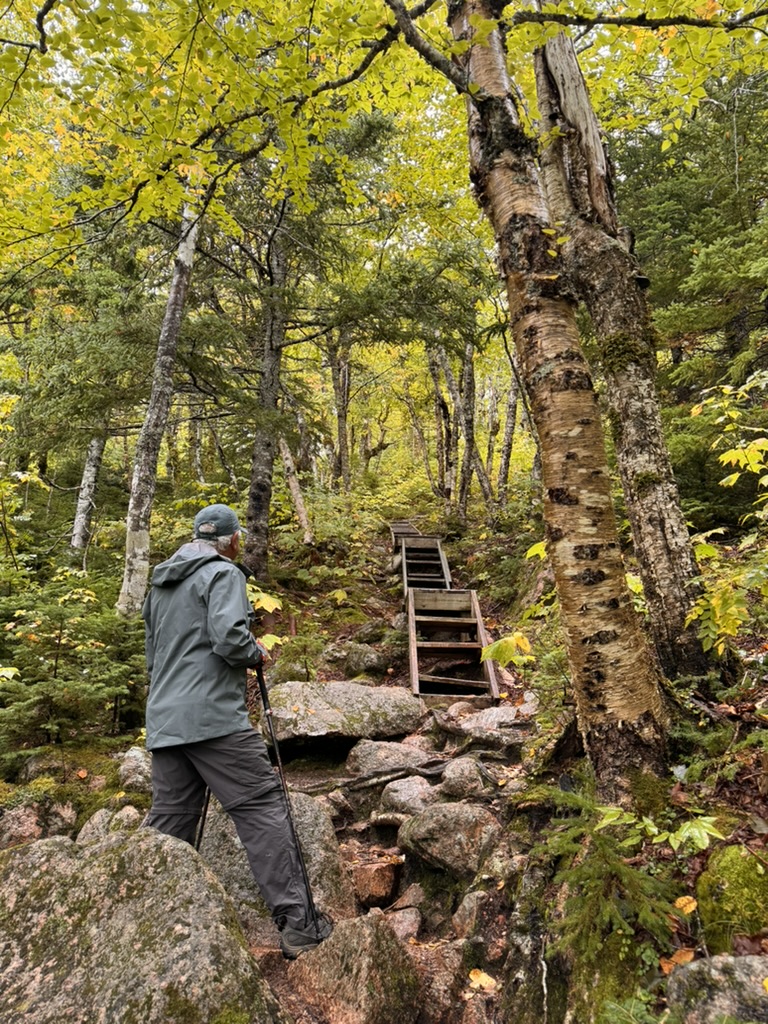
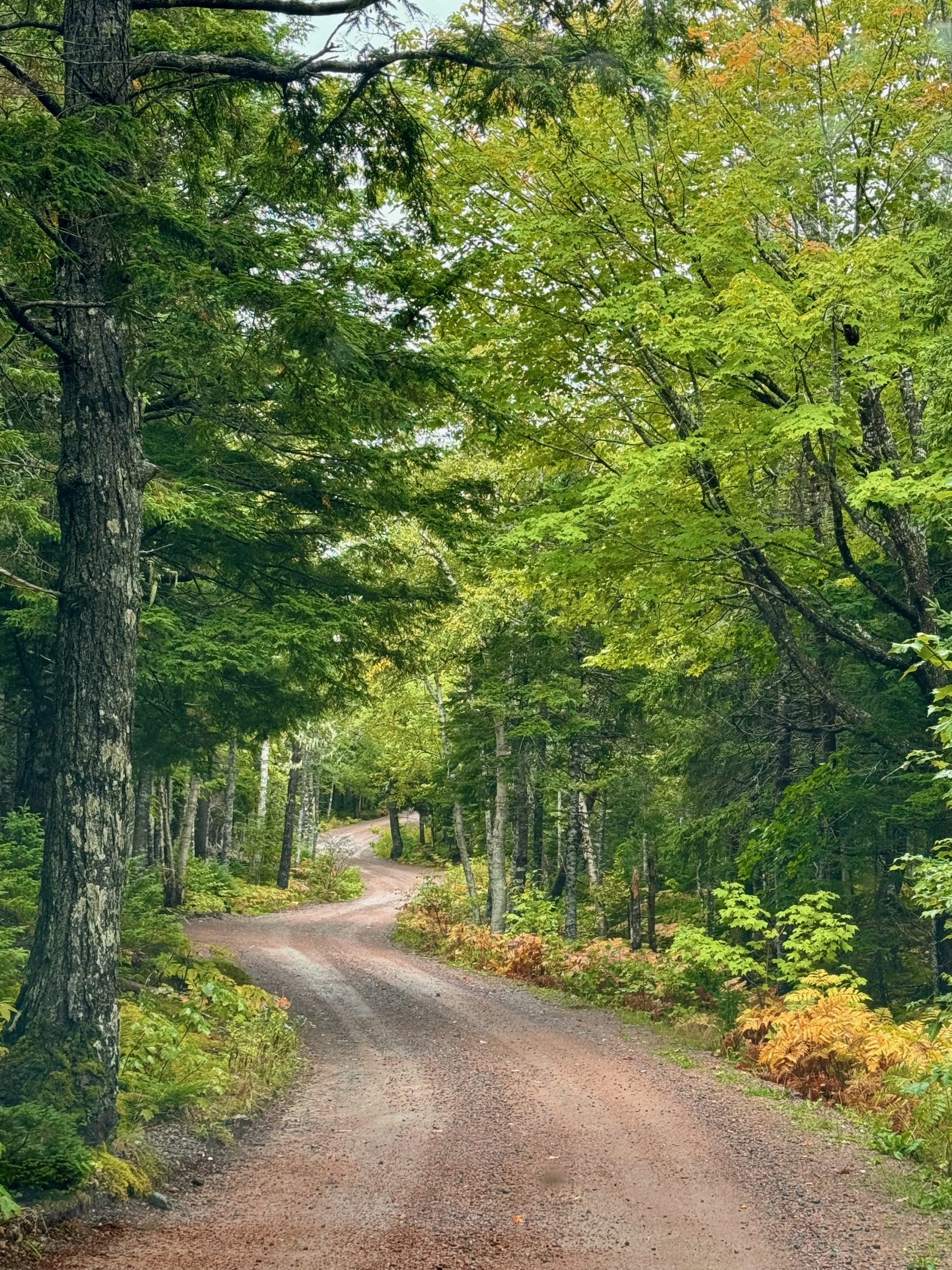
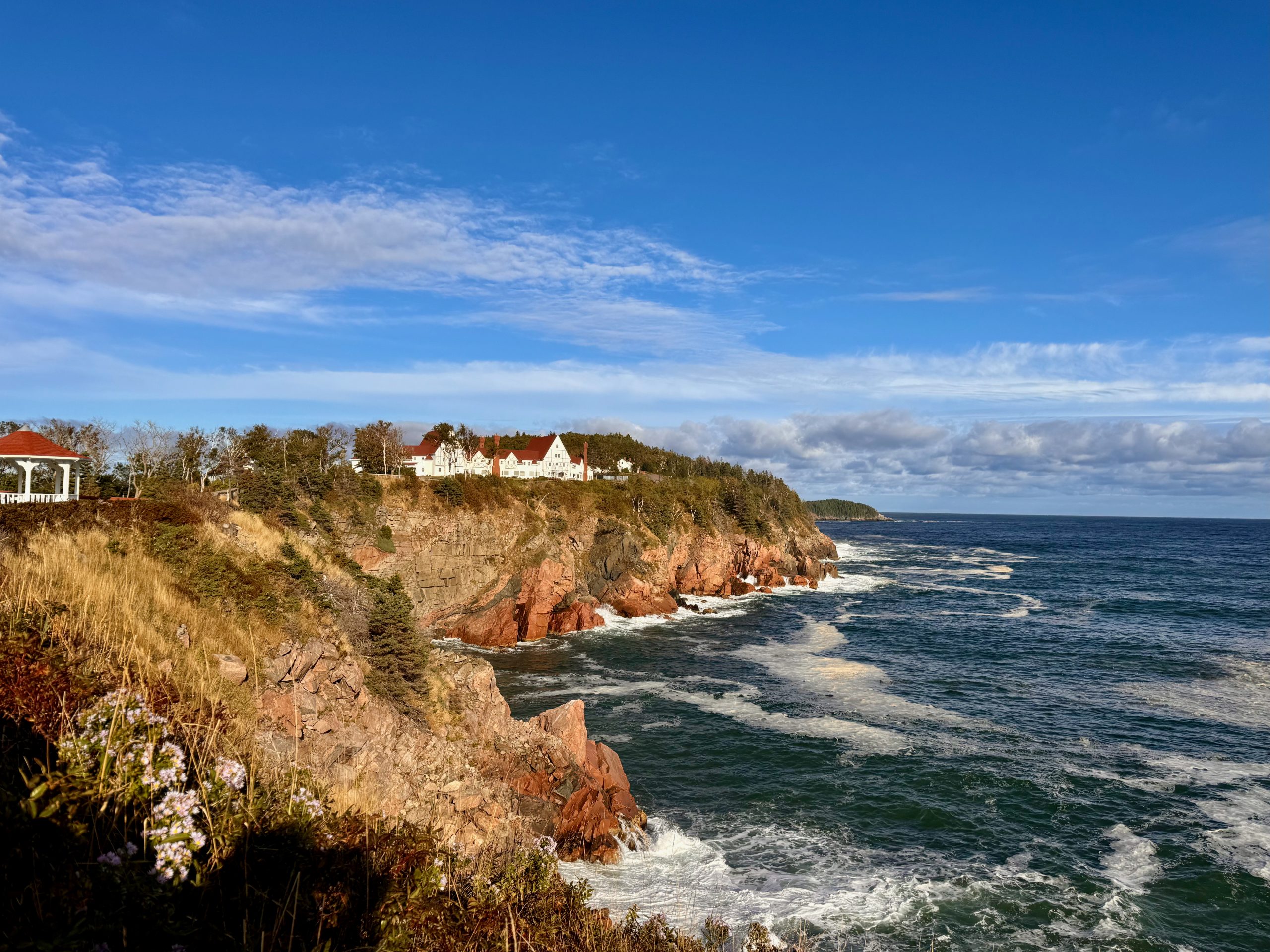
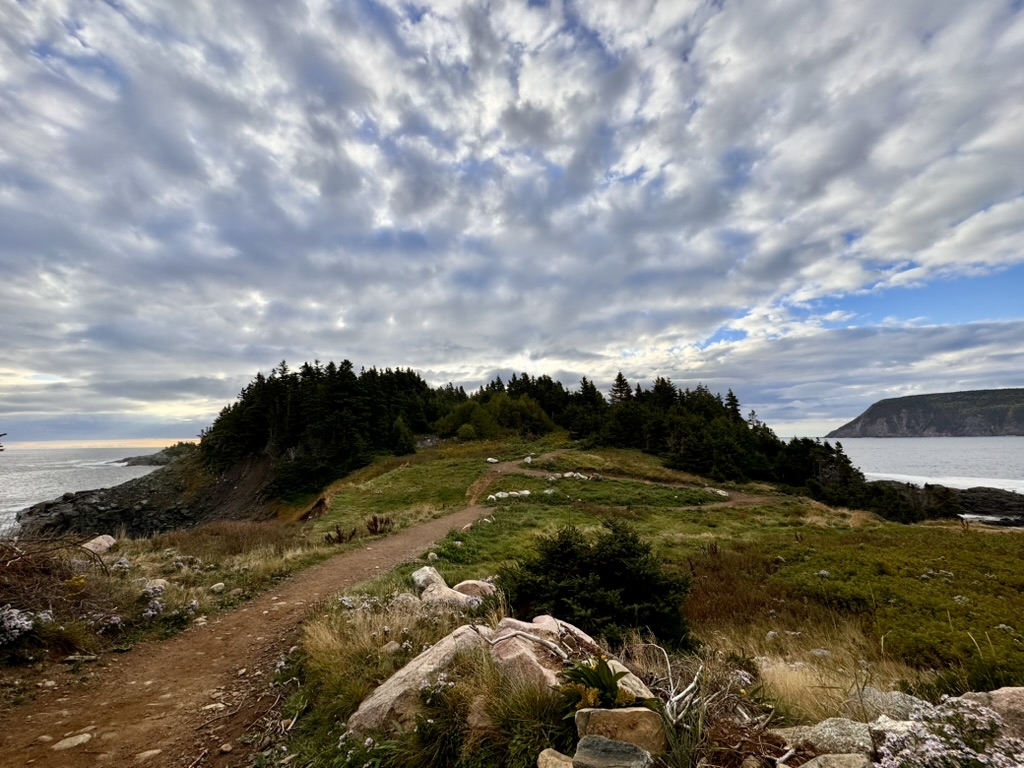
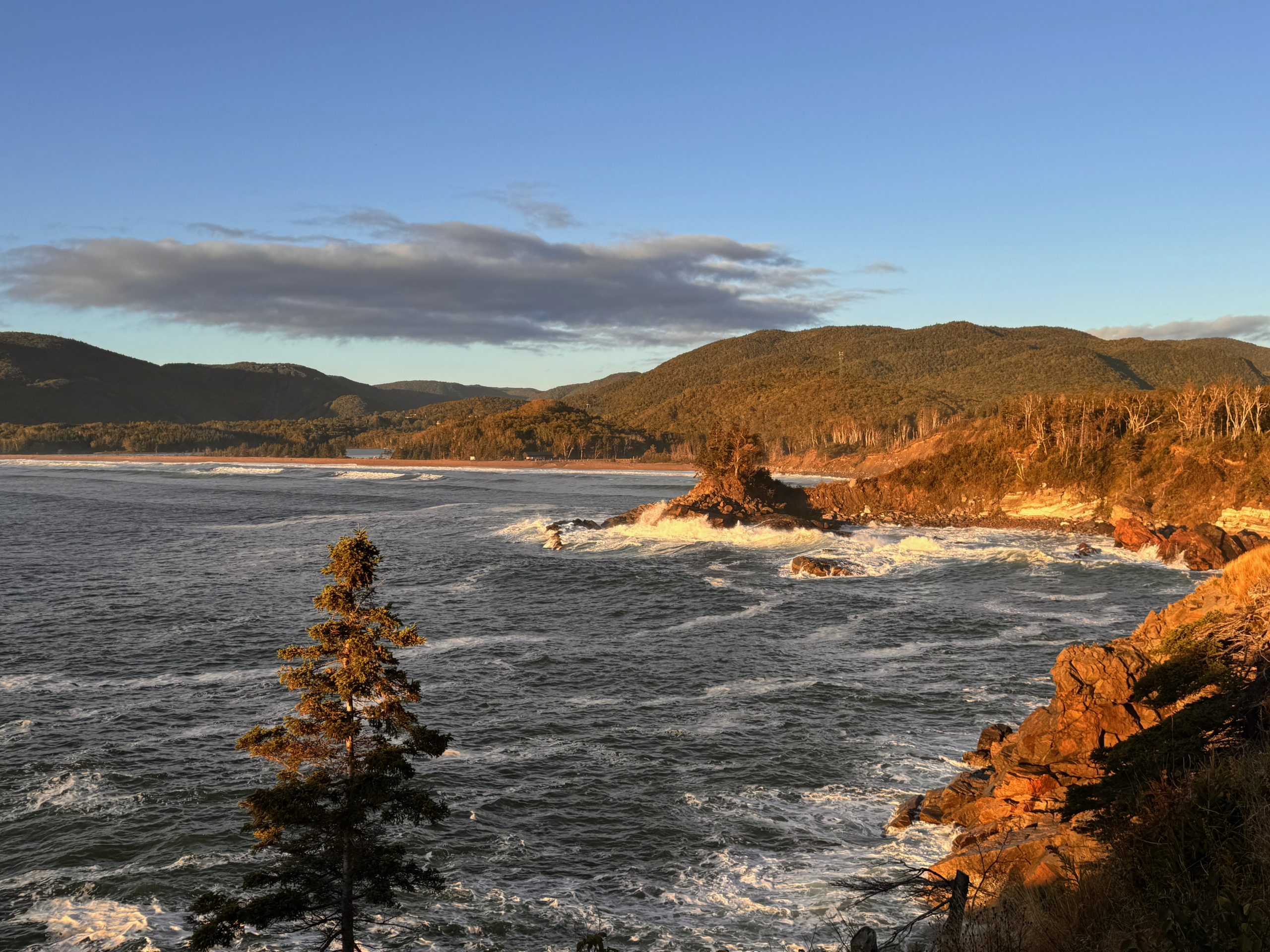
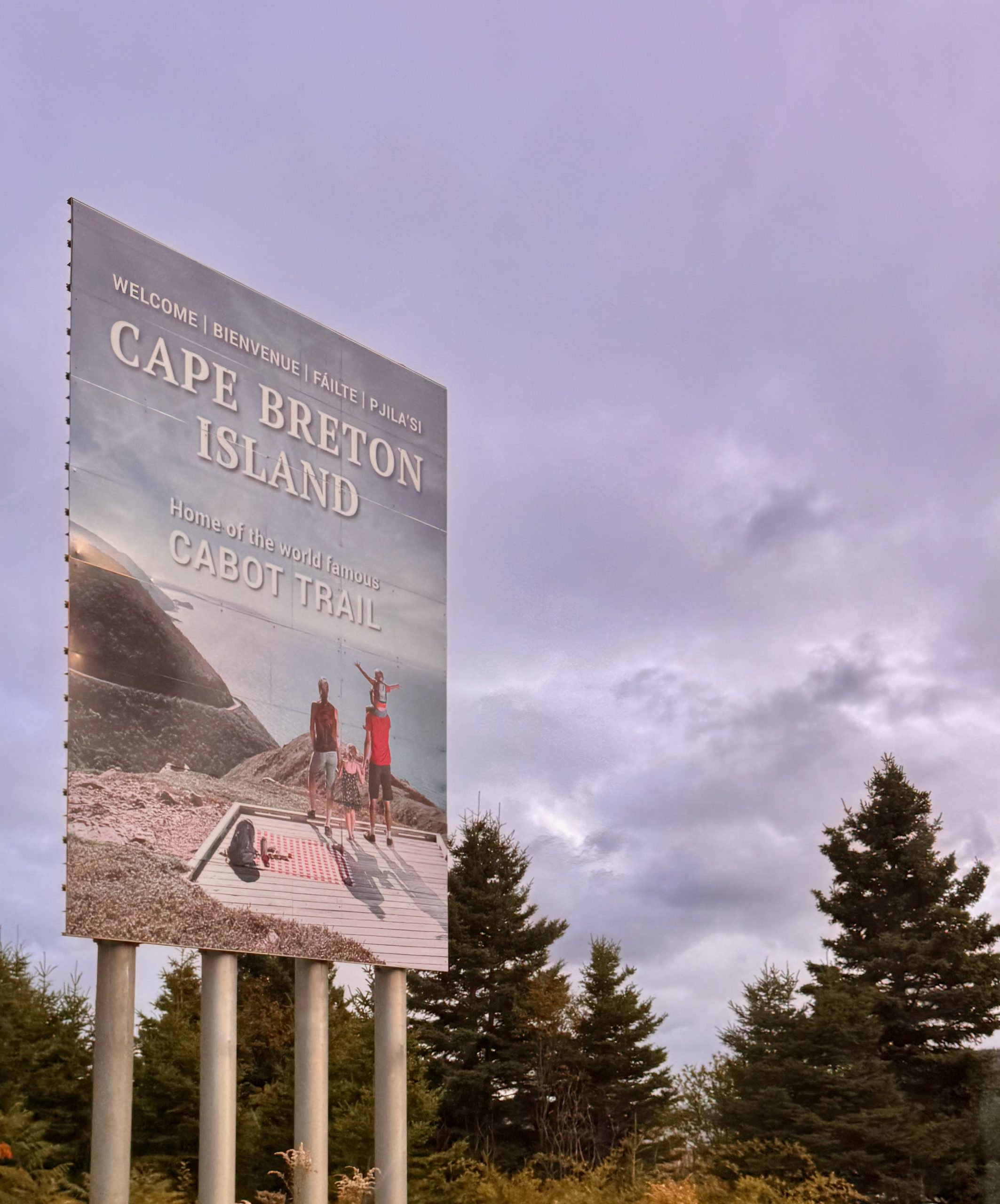
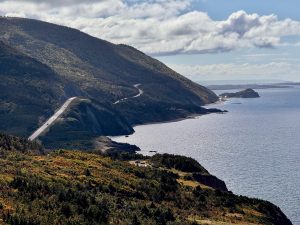
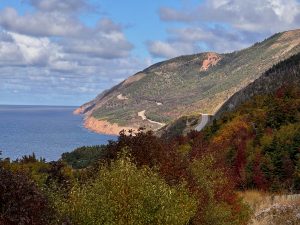
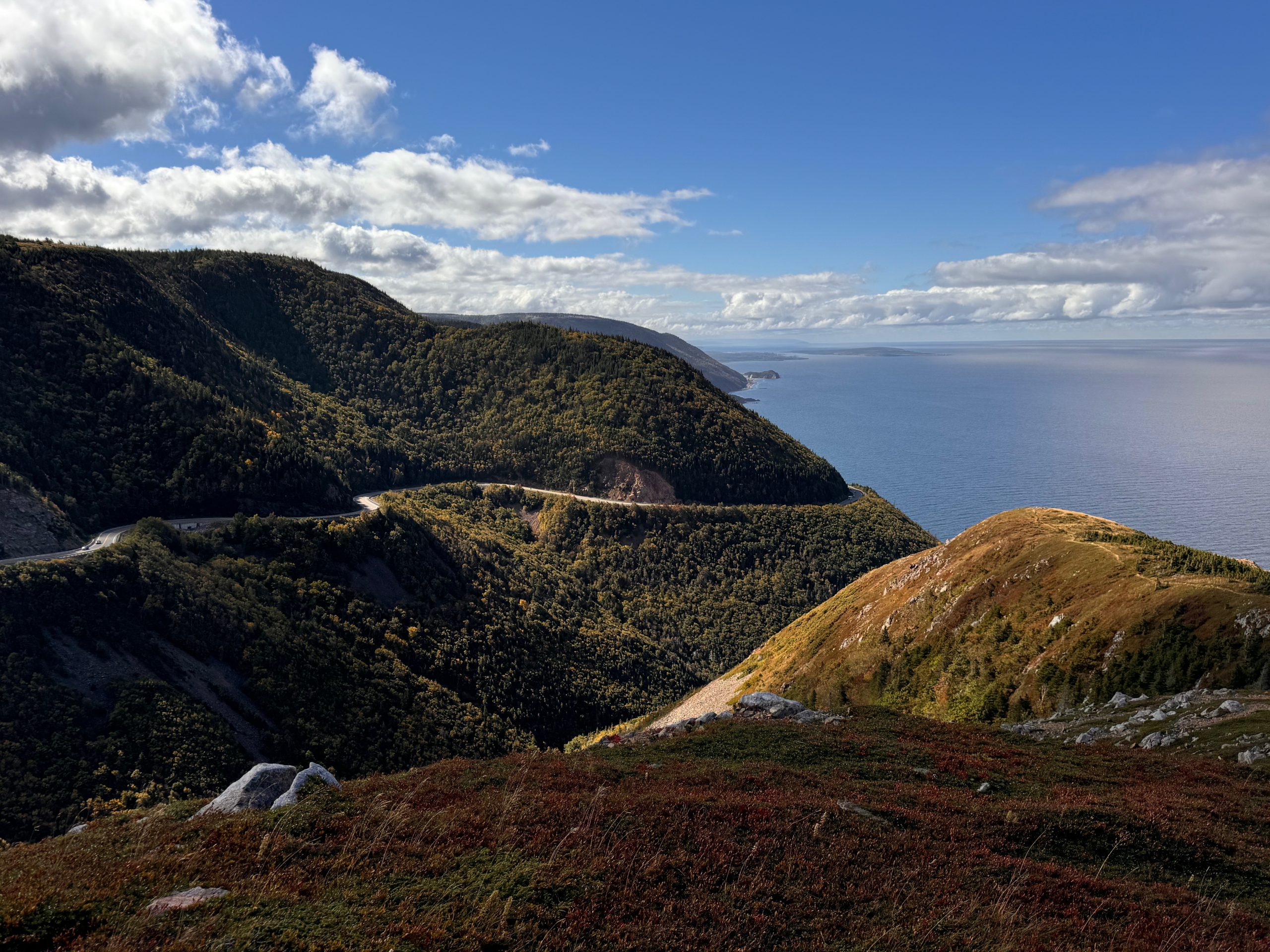
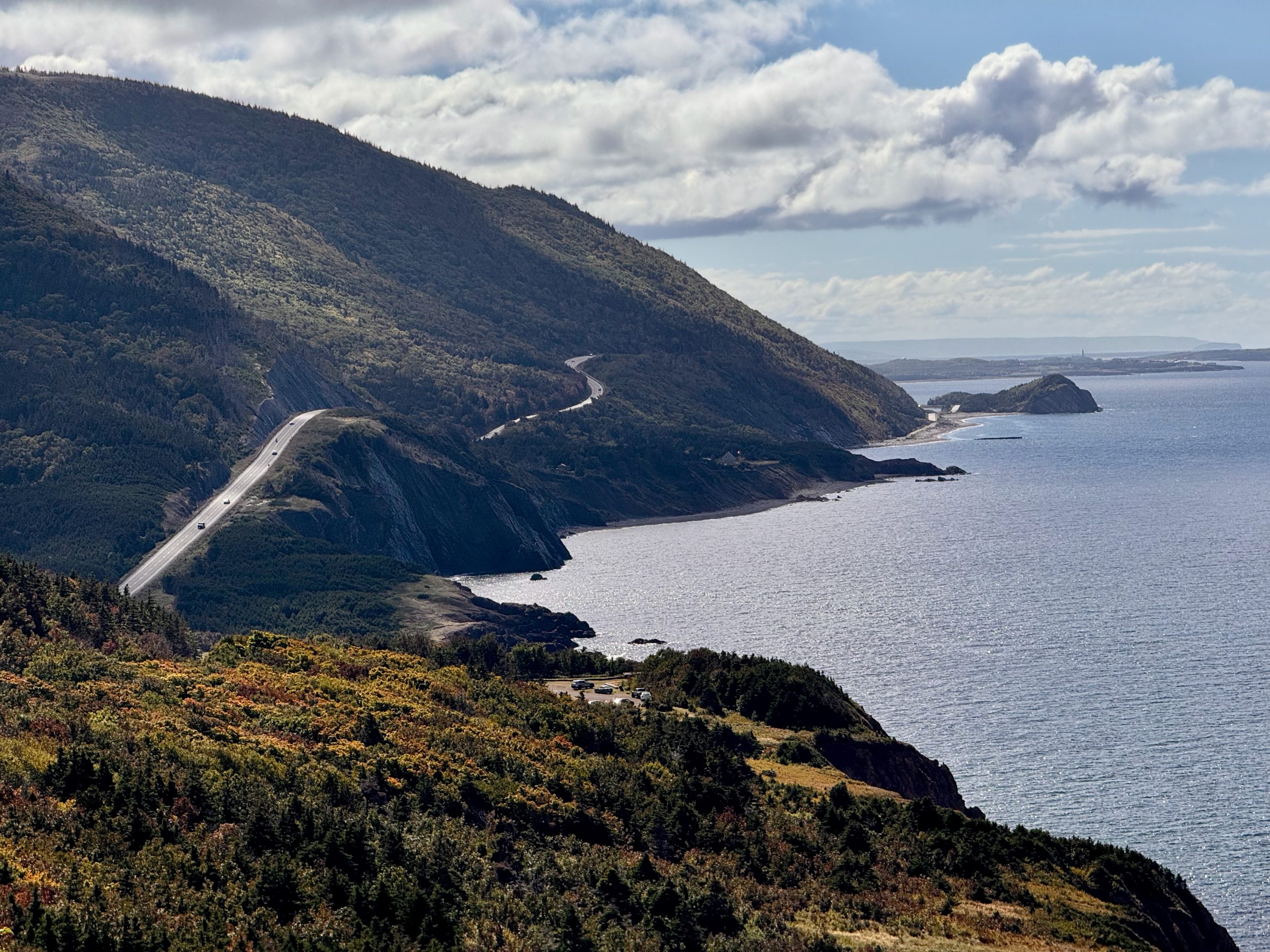
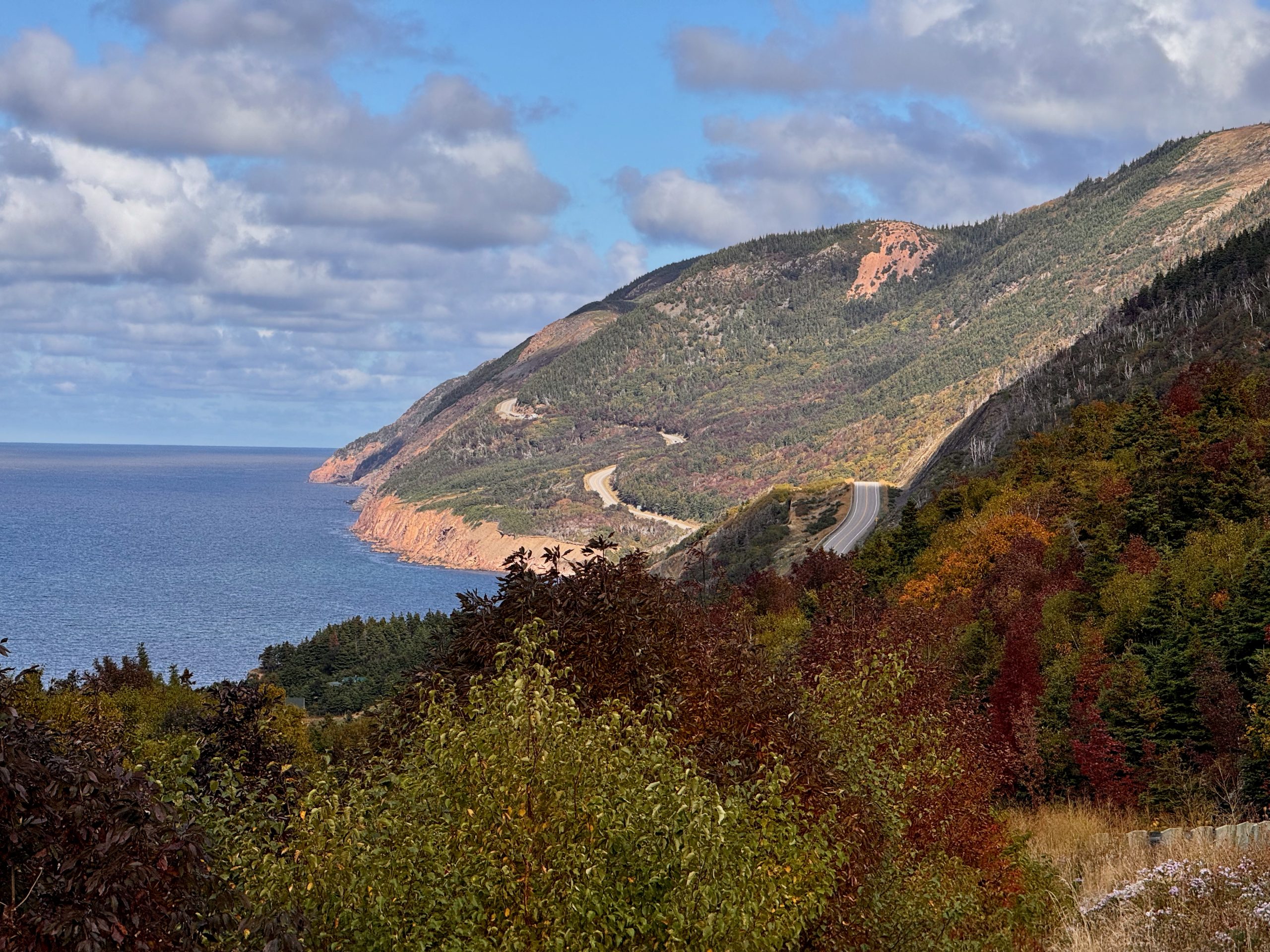
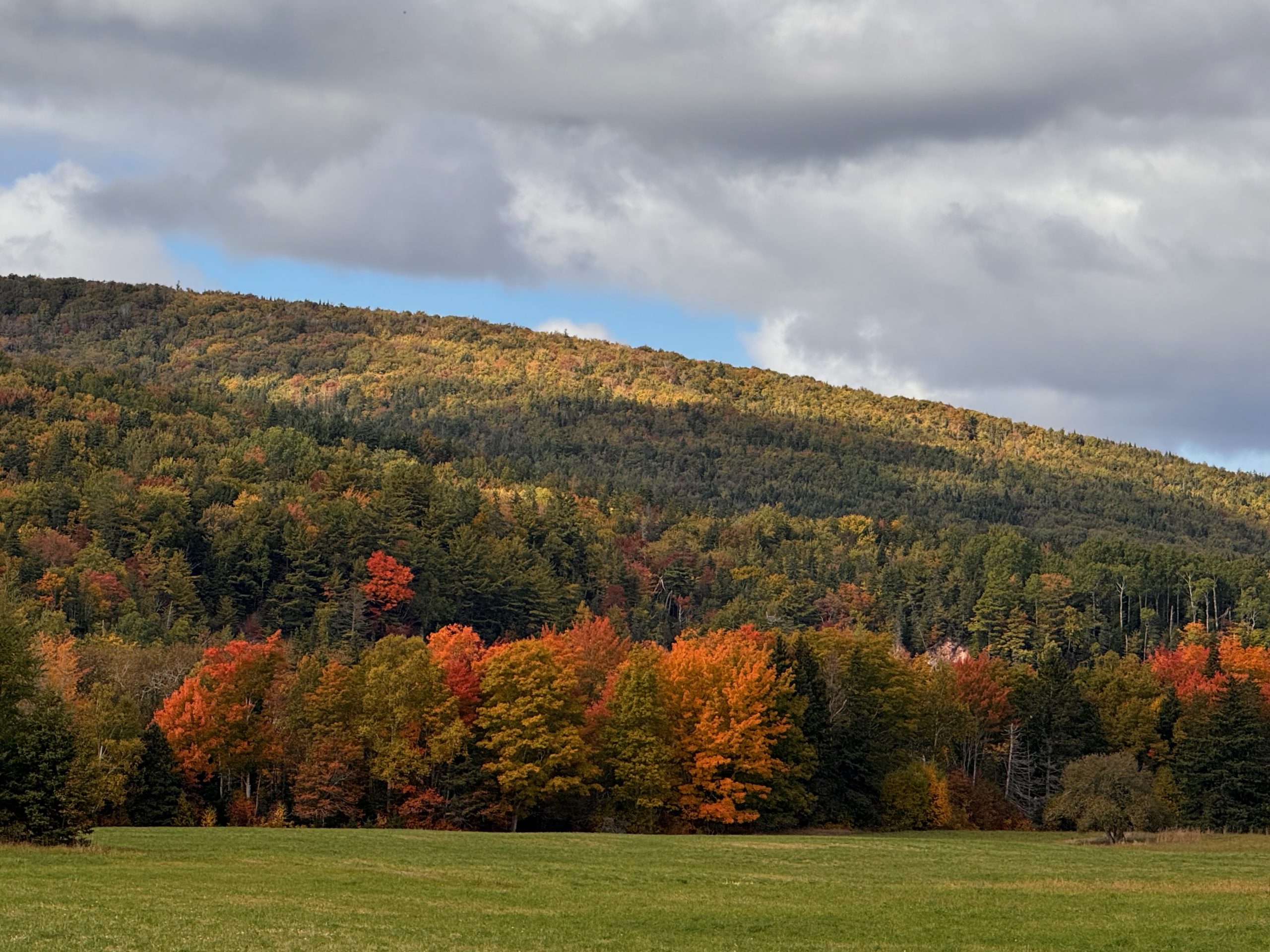
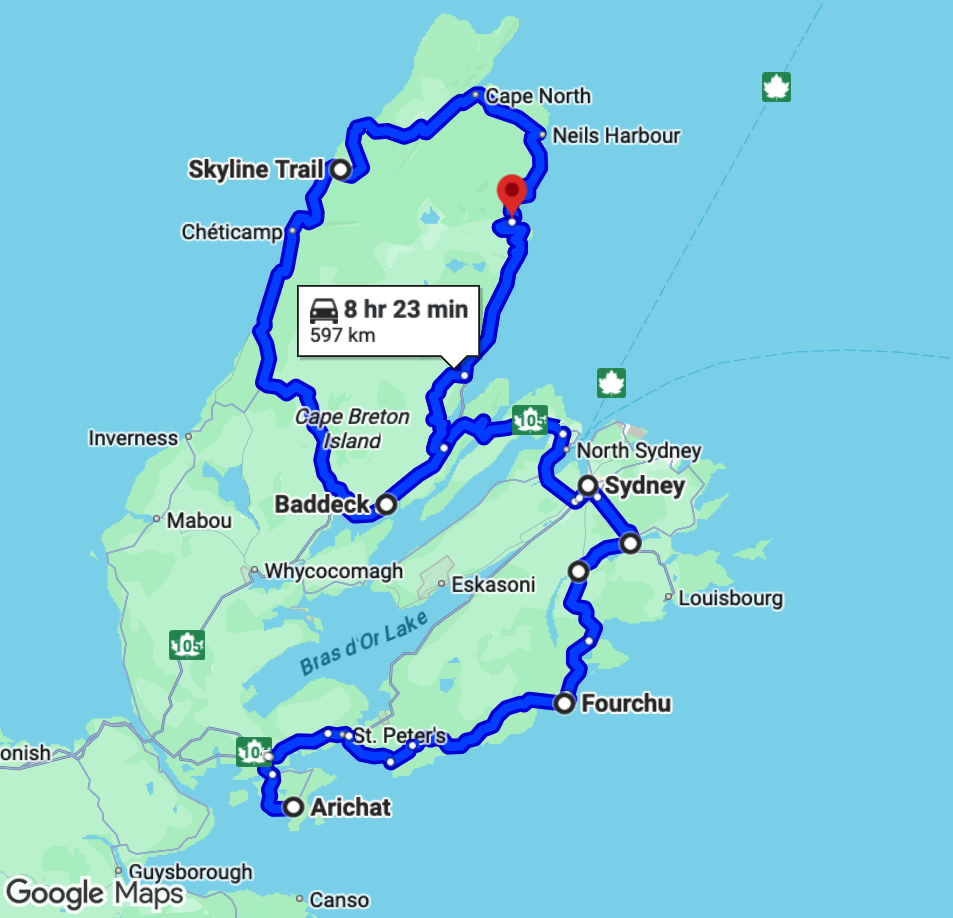
The Cabot Trail is a legendary loop that winds its way around the northern tip of Cape Breton Island. It’s about a 185-mile scenic drive packed with spectacular coastal views, rugged cliffs, and beautiful hiking trails. It hugs the coastline for much of the journey, dipping in and out of Cape Breton Highlands National Park. It’s often described as one best drives in the world. I concur.
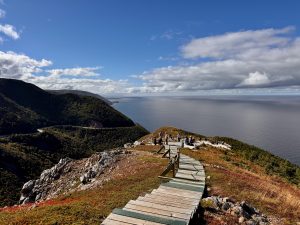
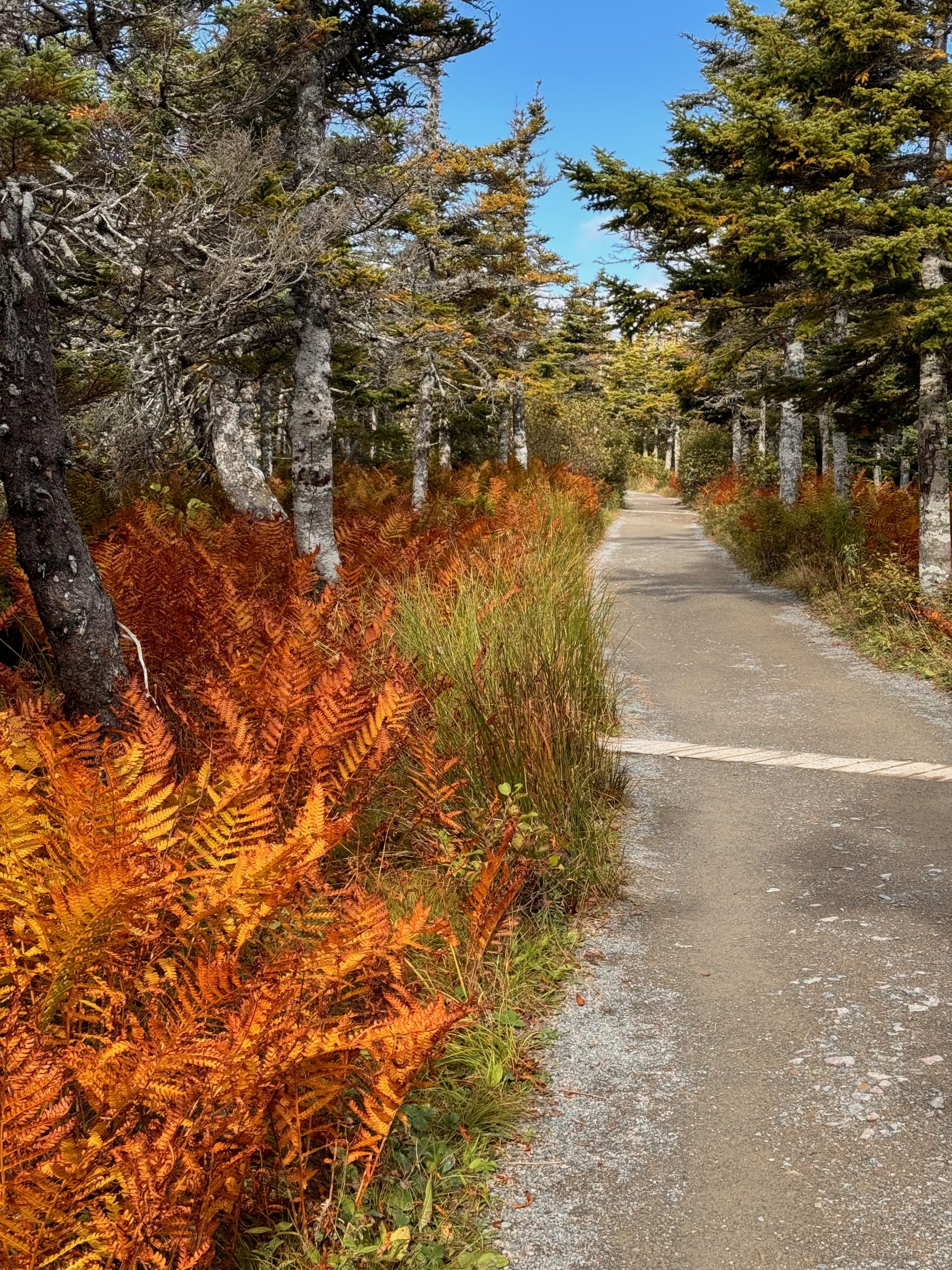
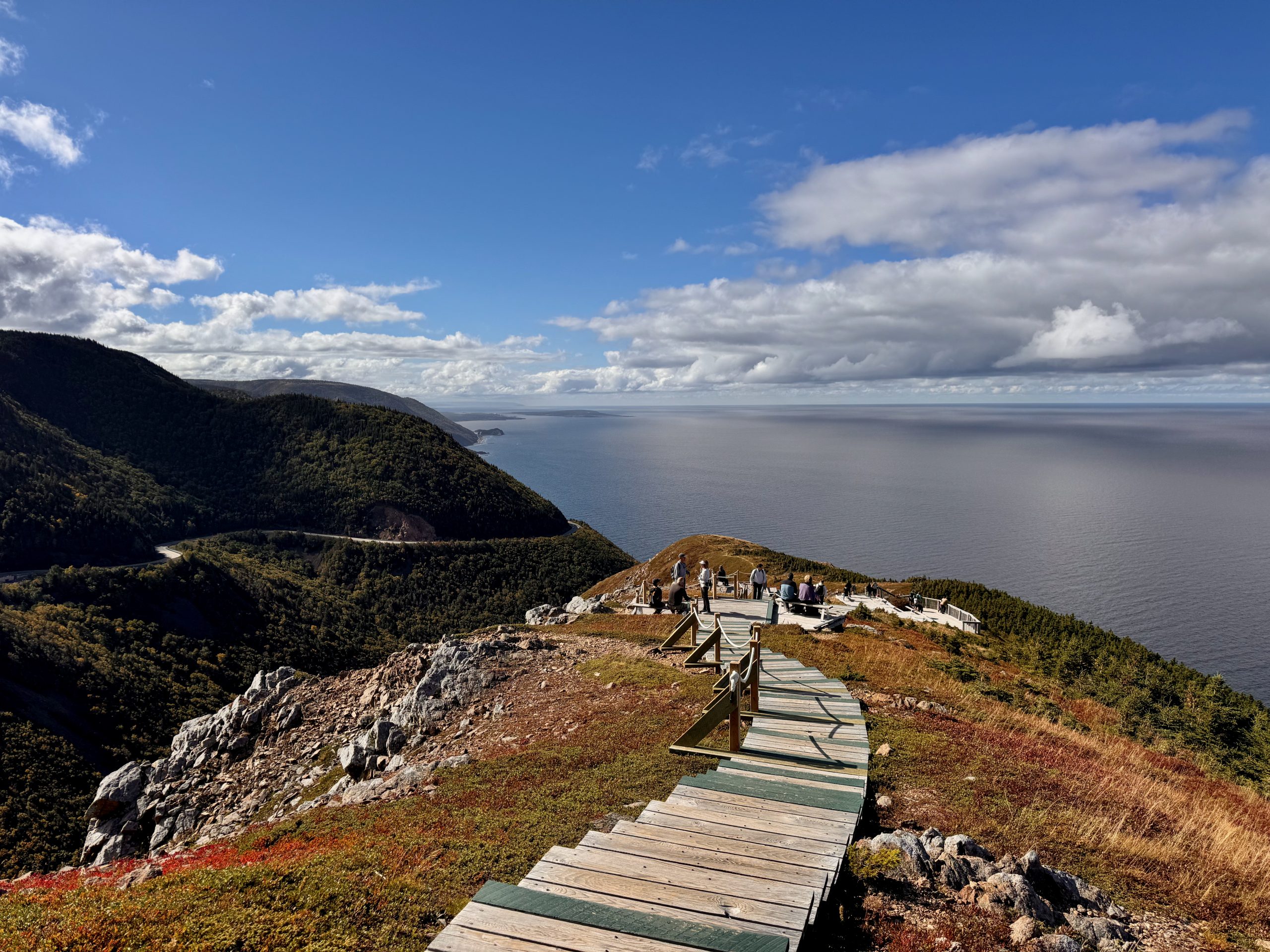
We were not interested in breakfast at the lodge but 6 miles down the road, the Bitsy Bean provided us the perfect cappuccinos and breakfast bites to begin our day on the road. From here twisting roads and the promise of the Skyline Trail kept us focused so we would get a coveted parking spot when we arrived. This approach paid off and insured fewer other walkers. We carried hiking poles and wore gators but neither were necessary. As you follow the trail through low, windswept forest and open highland meadows, the Atlantic starts to appear in flashes through the trees. And then, suddenly, you step onto a boardwalk, and a spectacular view exploded in front of us.The boardwalk itself adds to the drama, zigzagging gently down toward the cliff edge in a series of 265 wide steps and platforms, making it easy for everyone to soak in the panorama safely. The lower you walked the better the view of the serpentining highway below.
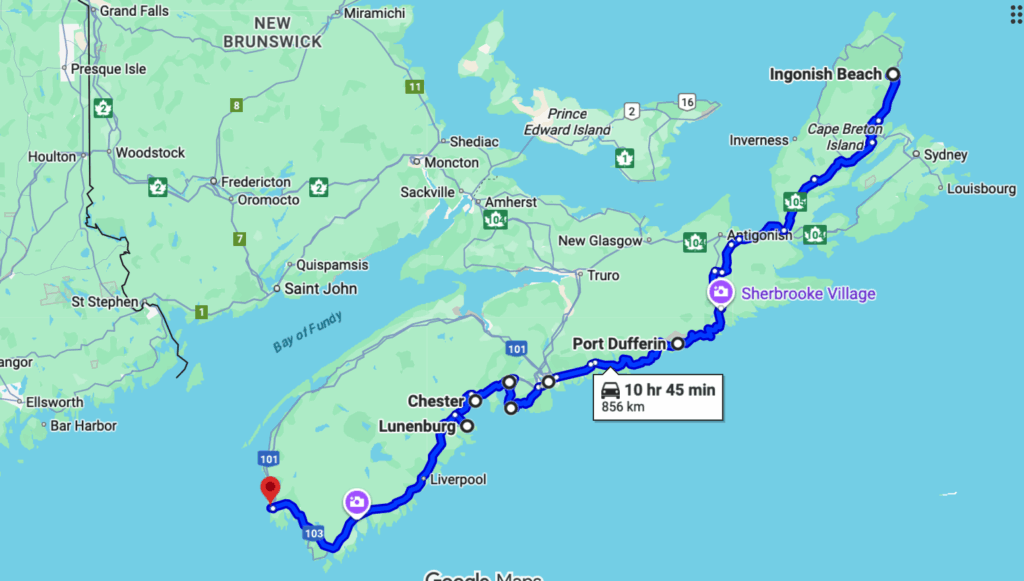
We left Cape Breton to make our way to the ferry crossing from Yarmouth (west end of NS) to Bar Harbor, Maine. This journey would save us a few hundred miles and hours of driving so we continued along the south coast in that direction, stopping in the seaside village of Port Dufferin overnighting at the Marmalade Motel, a former Motel 6 reinvented by an entrepreneurial couple from Toronto during Covid. The next day our intended lunch break in Halifax became a stop across the harbour at the bustling waterfront in Dartmouth. When we made our plans to visit this part of NS we thought we’d spend a night in Halifax. But we both got the itch to have more time in Peggy’s Cove, less than an hour west.
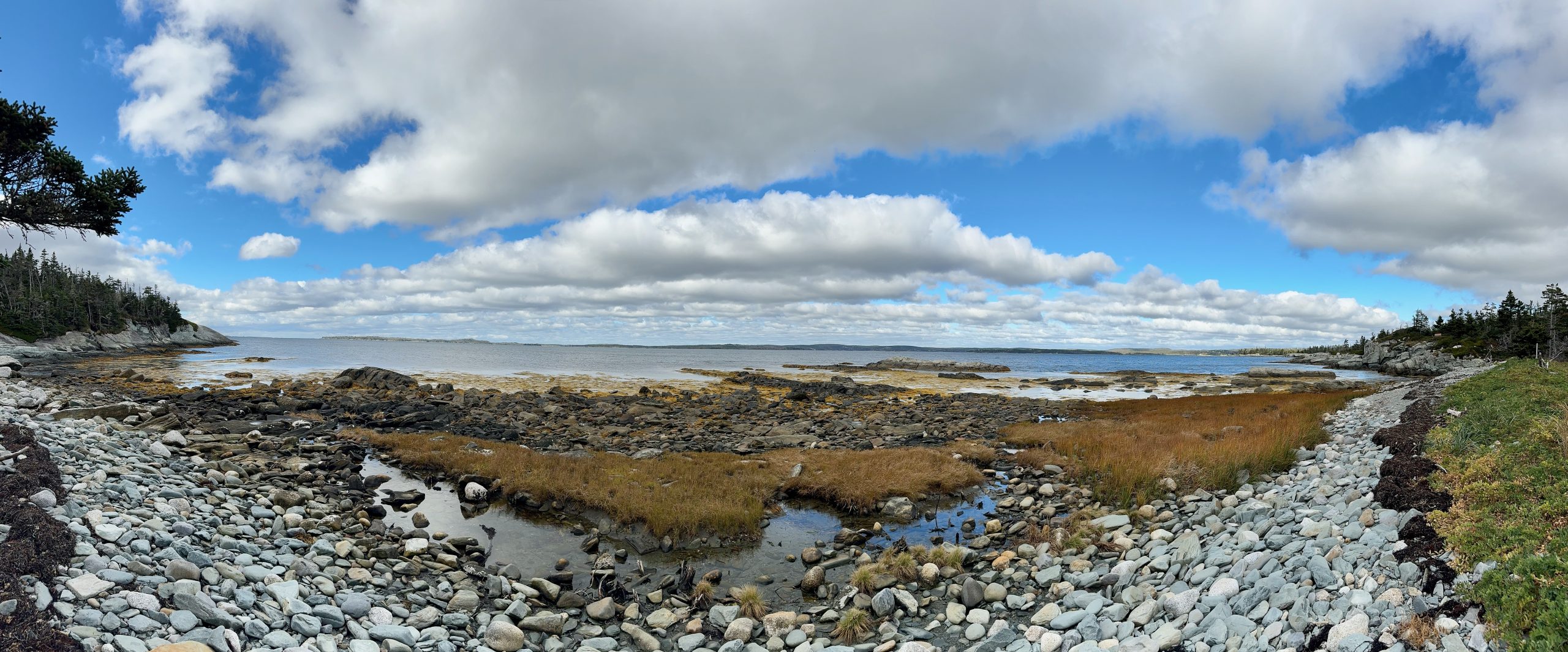
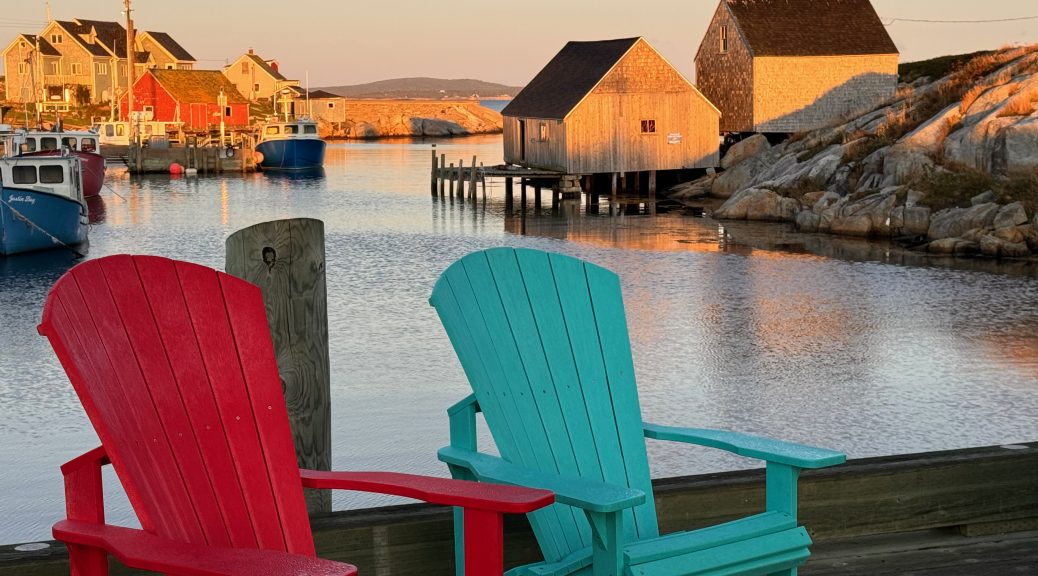
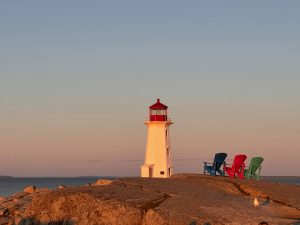
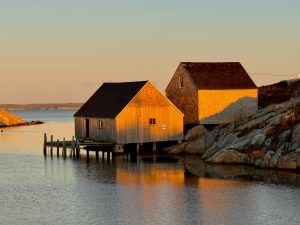
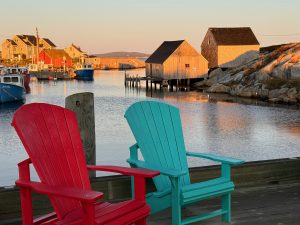
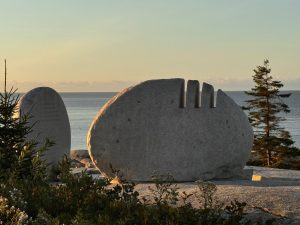
Thirty-eight years on, Peggy’s Cove hasn’t changed much at all but it is probably inundated with more tourists in the height of summer. It was now October 1 and as we approached, we chose to stop first at Polly’s Cove, the lesser-known sister of Peggy’s Cove. It offers a short but sweet hike before reaching the characteristic shoreline of Nova Scotia. There are similar views and terrain to Peggy’s but without the tourist attractions and crowds. Peggy’s Cove’s main feature is a beautiful lighthouse perched on a granite outcrop of wave-sculpted smooth surfaces, creating a dramatic landscape. It is reached by walking through the quaint colorful fishing village strewn with lobster pots and fishing nets. Visiting artists and photographers abound, and rightly so, in our opinion.
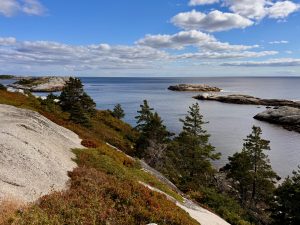
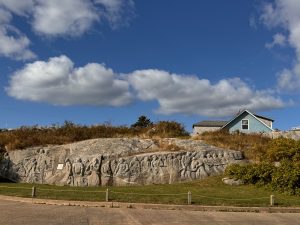
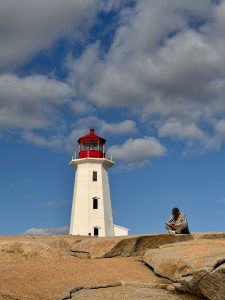
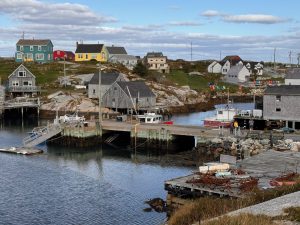
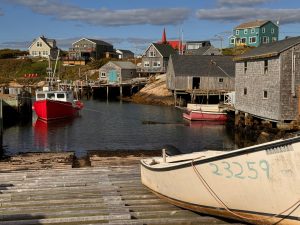
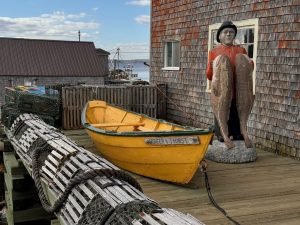
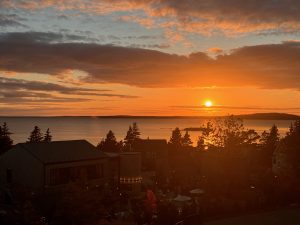
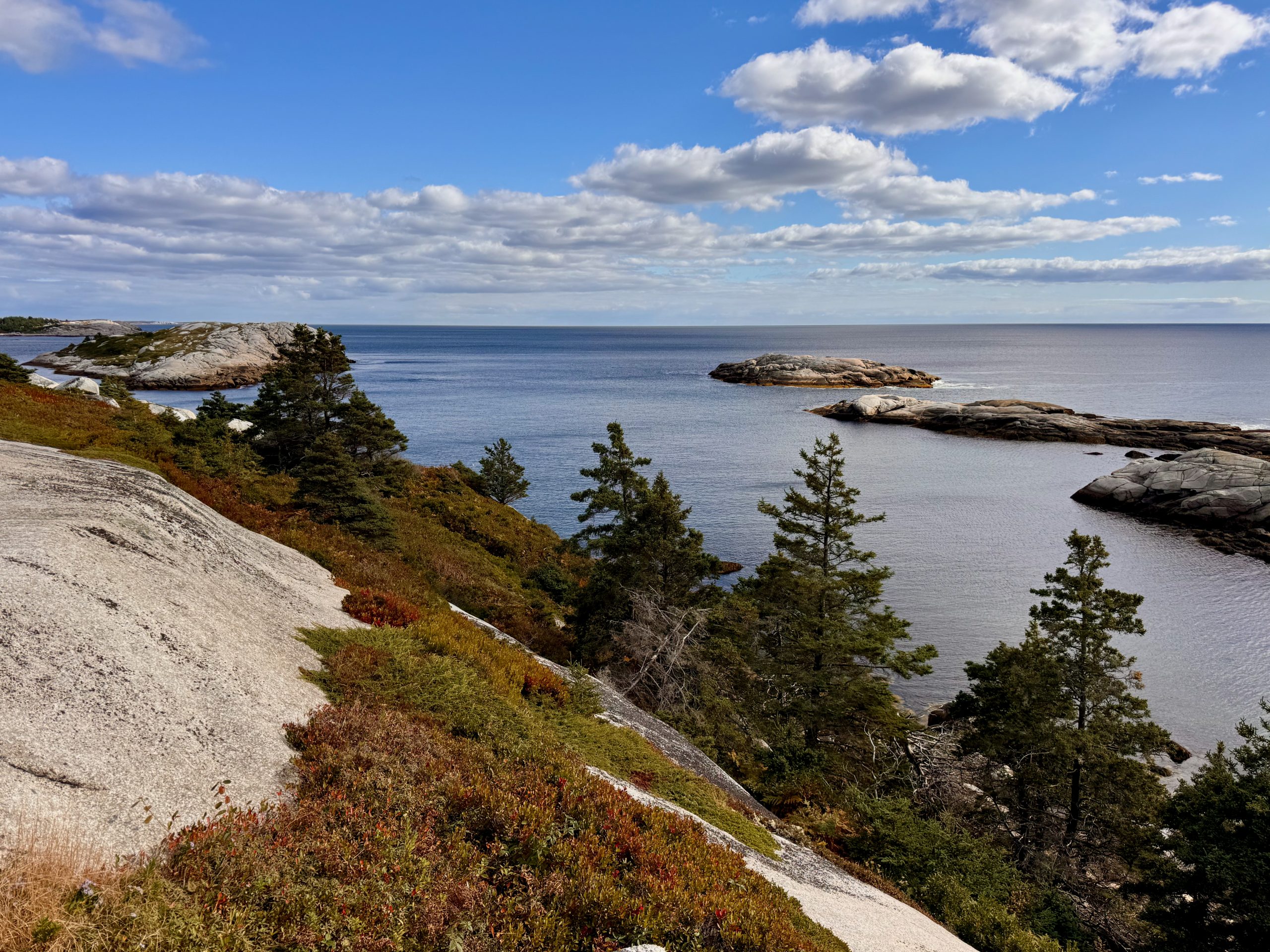
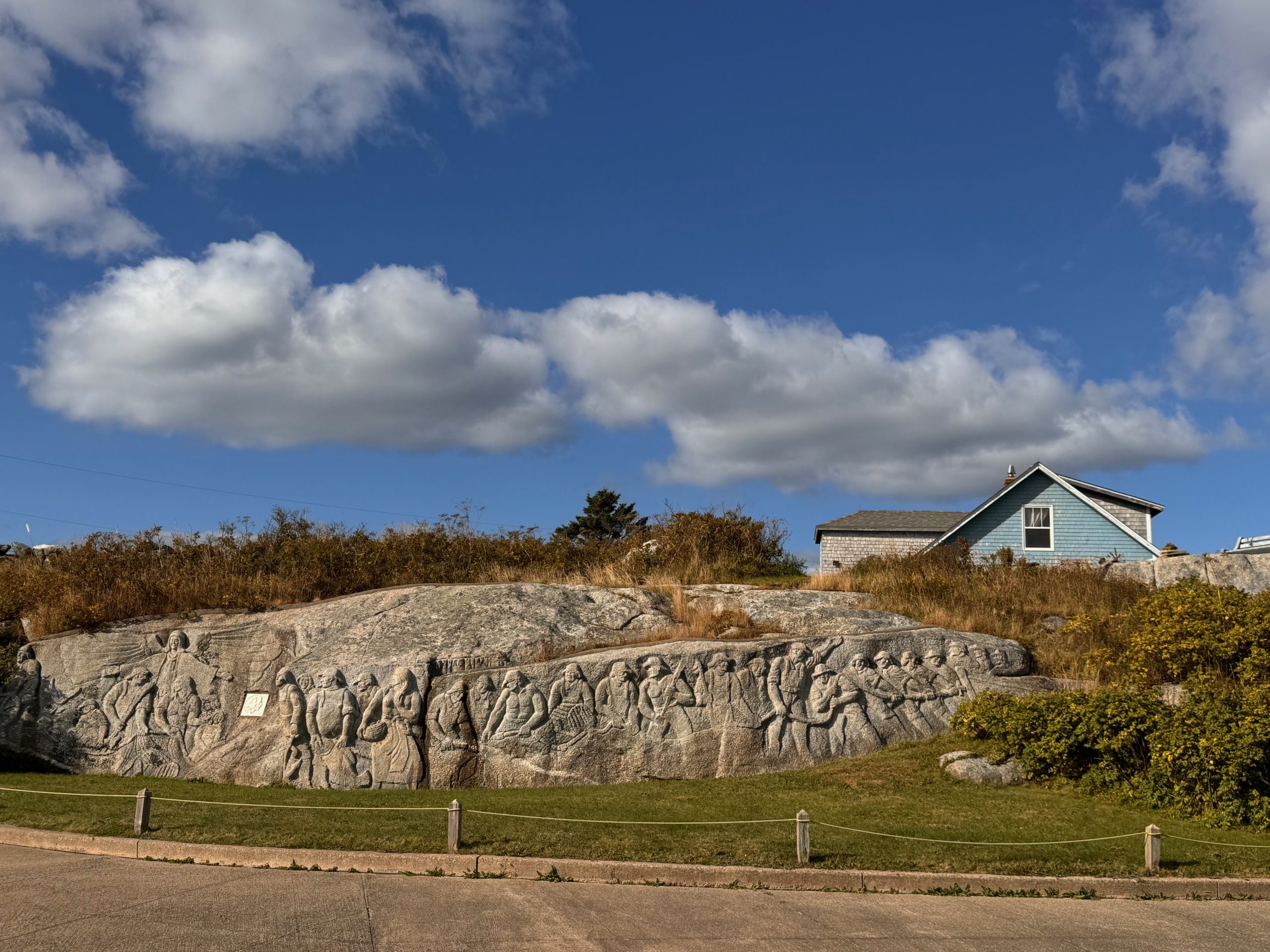
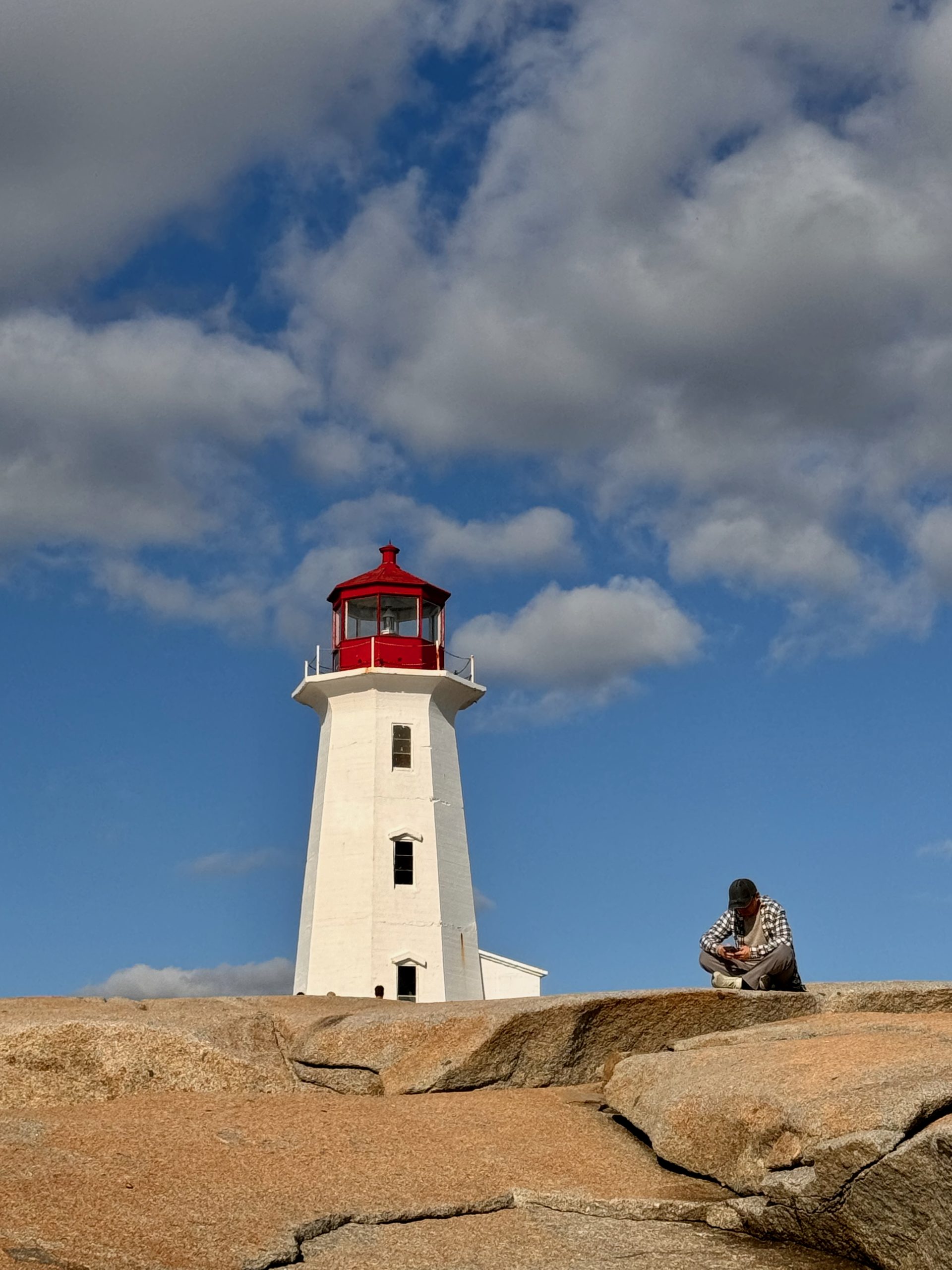
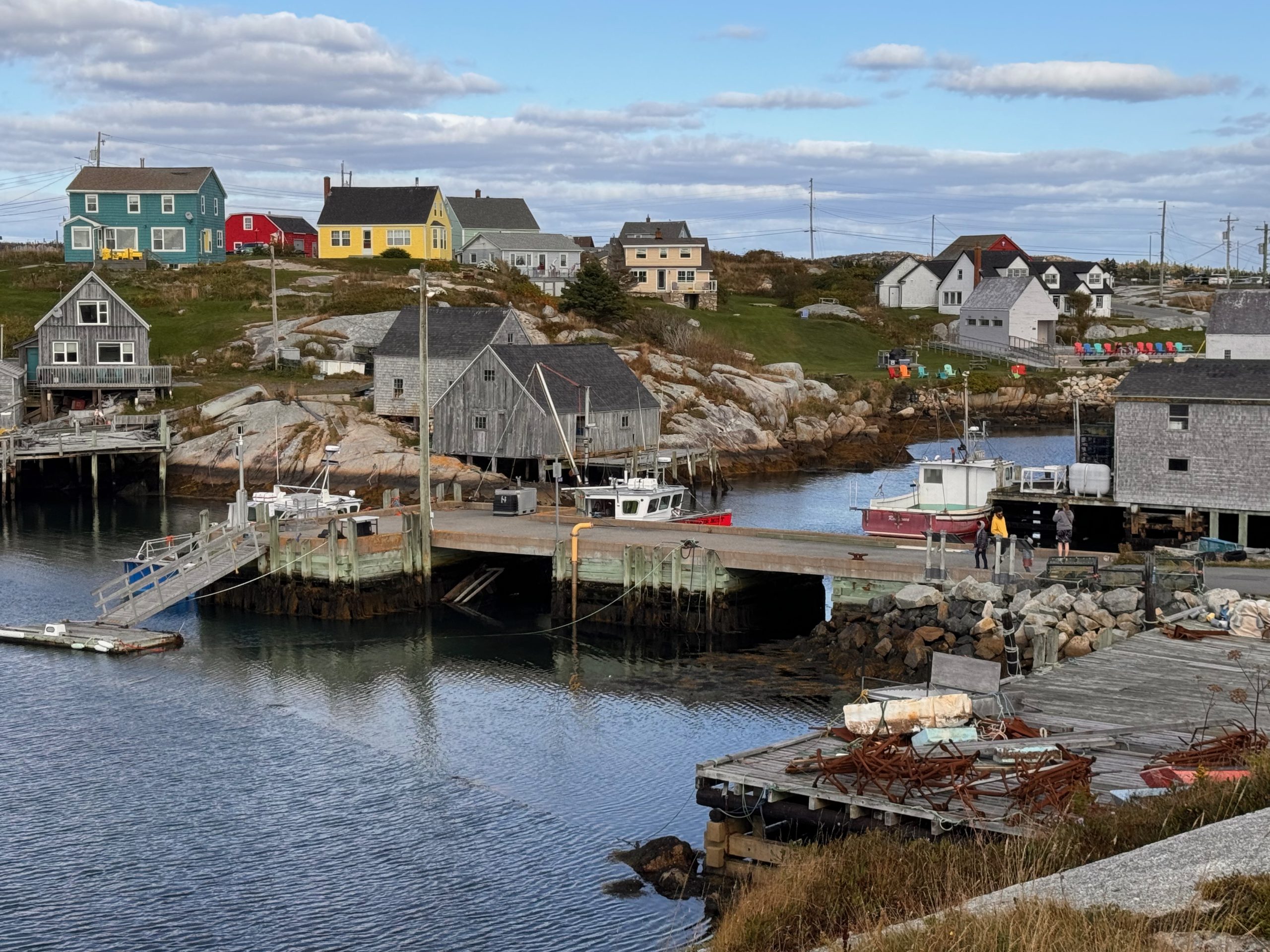
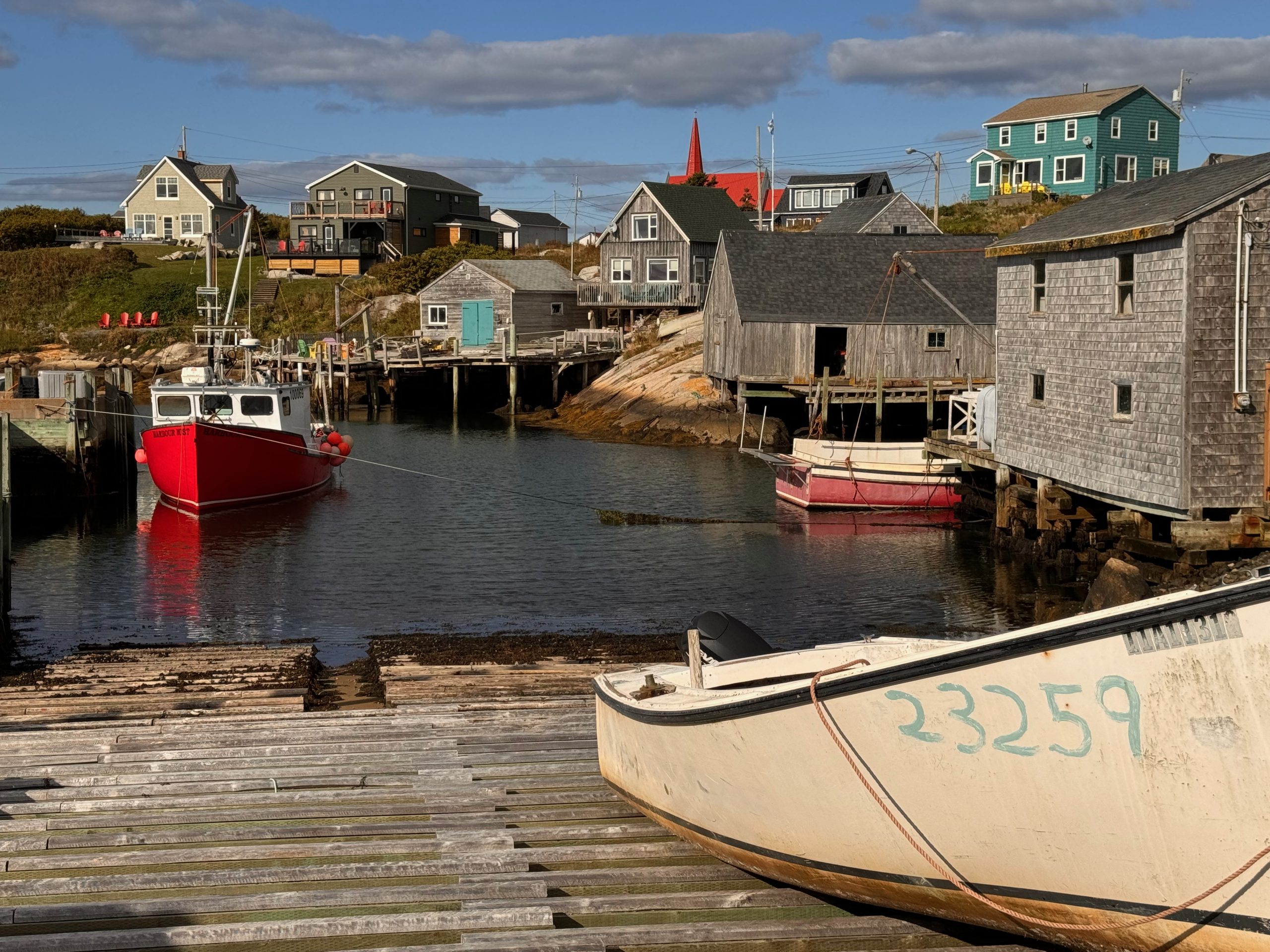
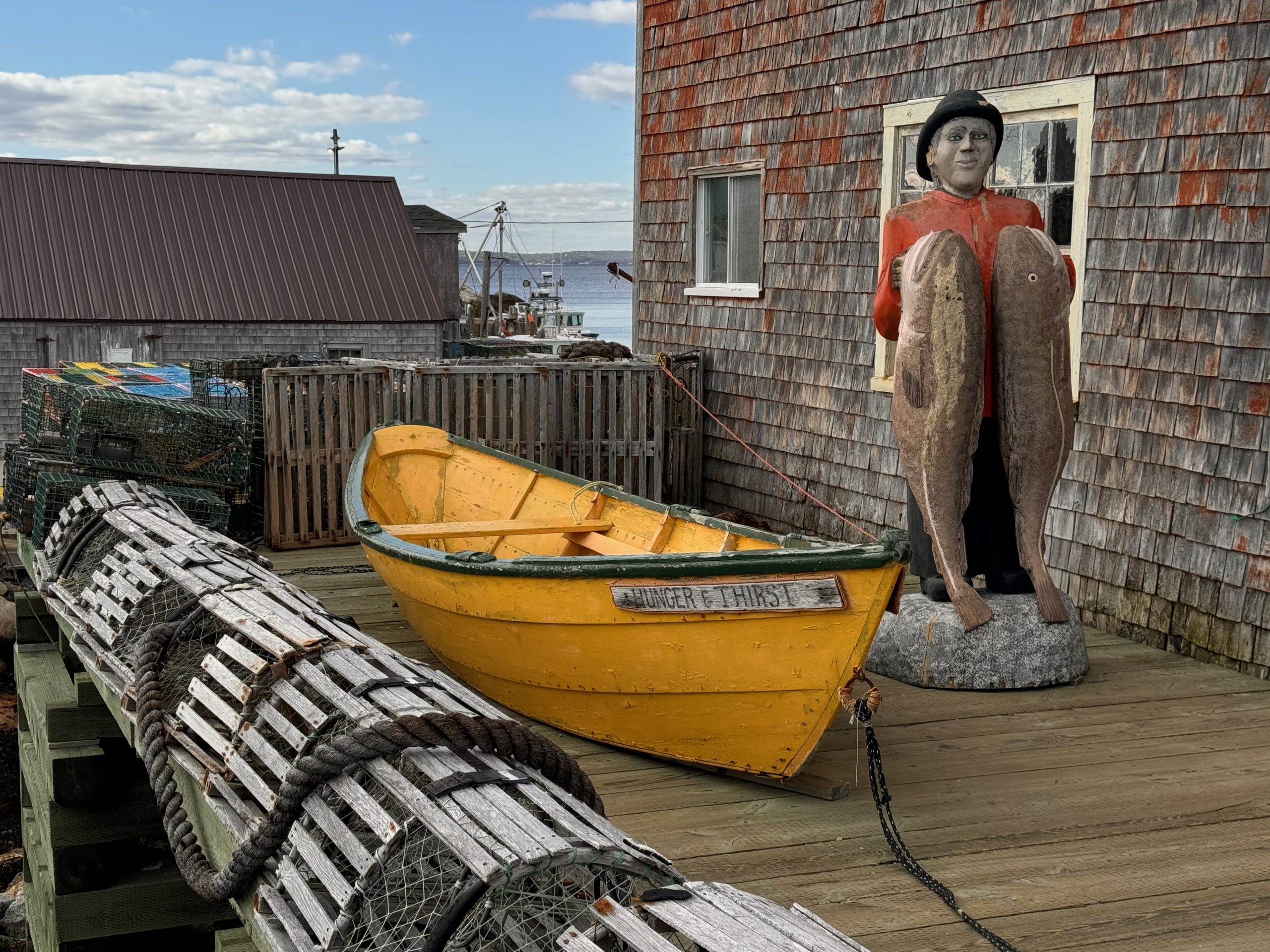
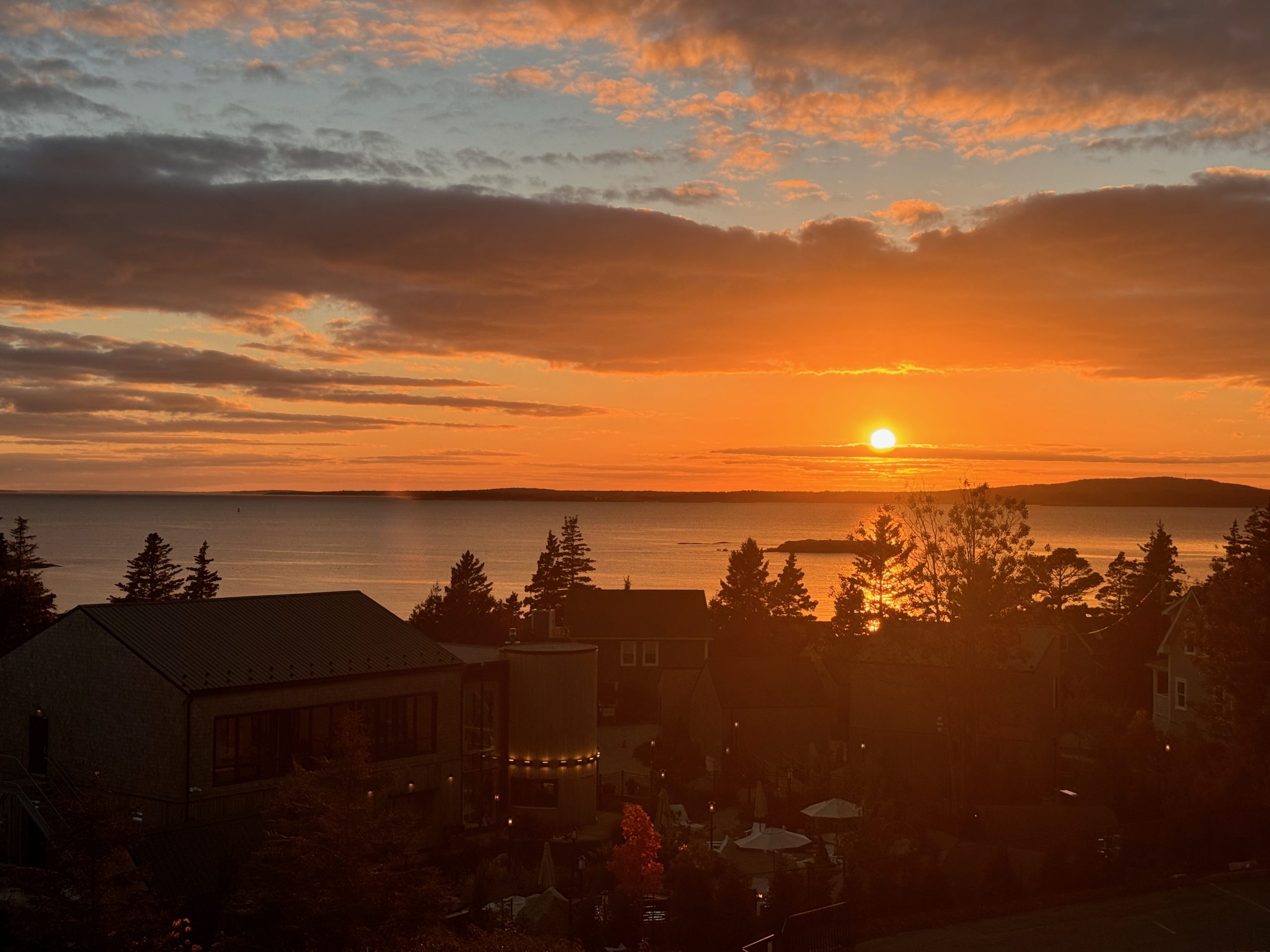
A 6am start to catch the sunrise on Peggy’s Cove Lighthouse. There were only a few intrepid visitors around to soak up the atmosphere of a fog-free morning.
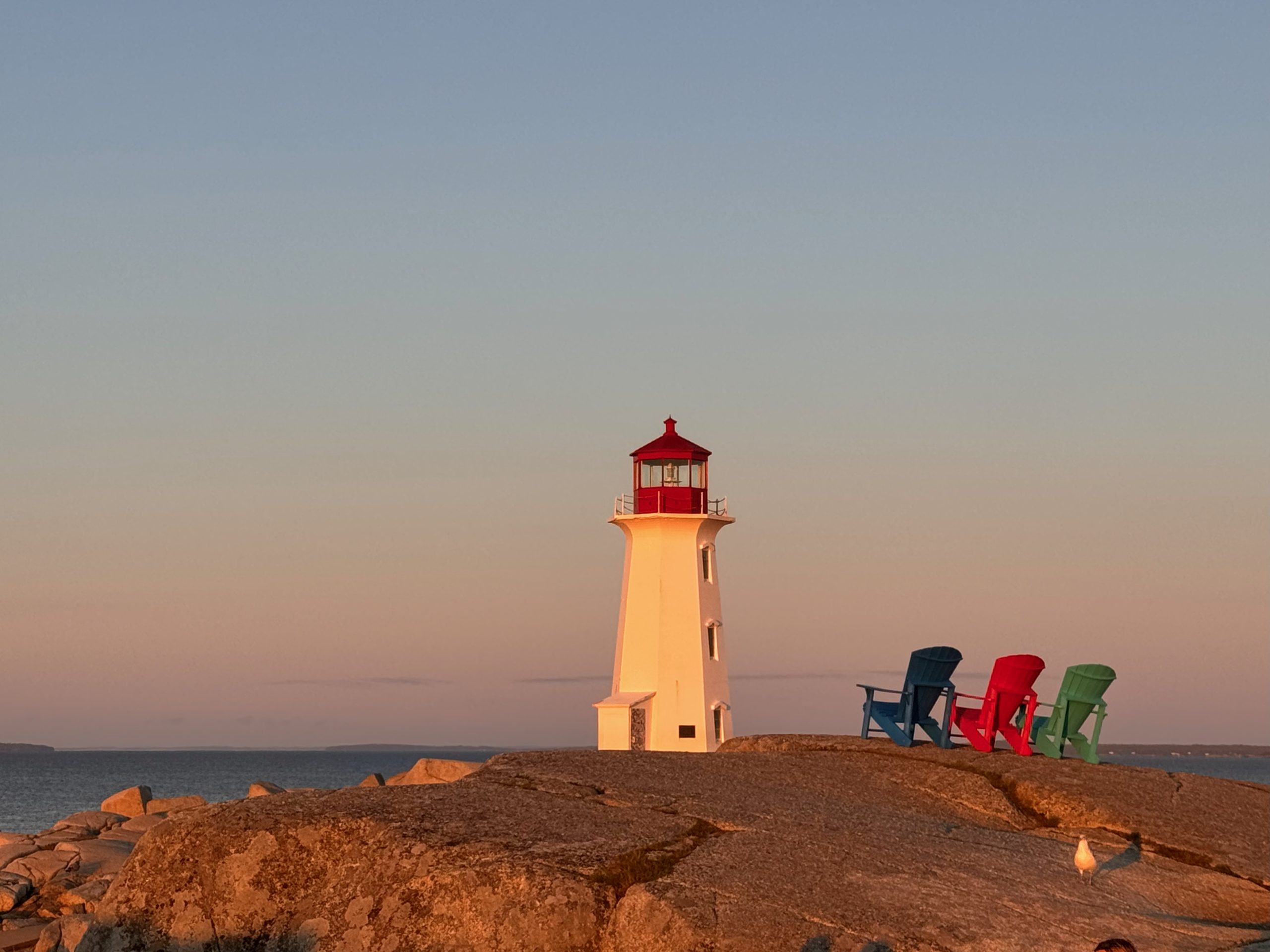
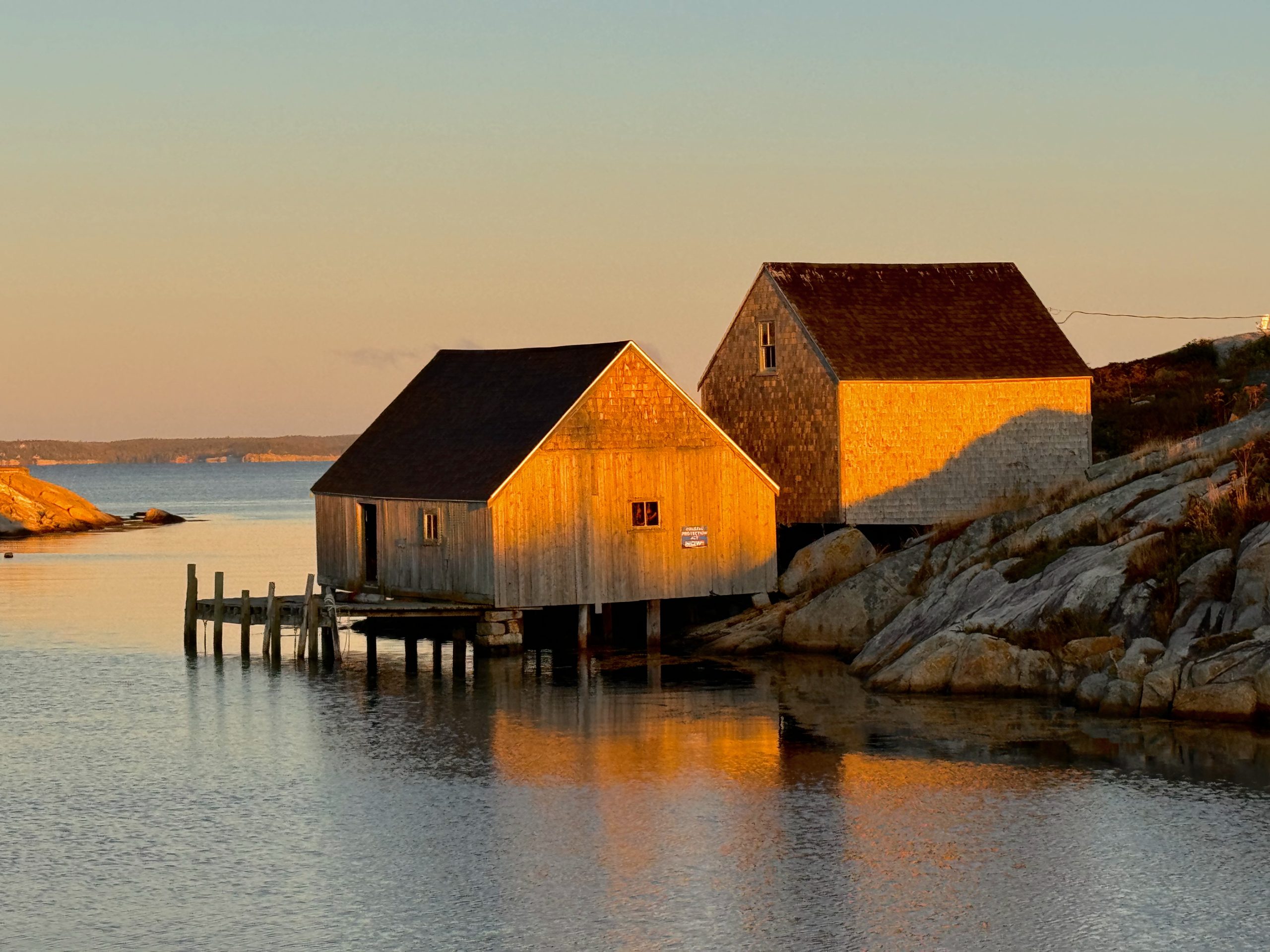
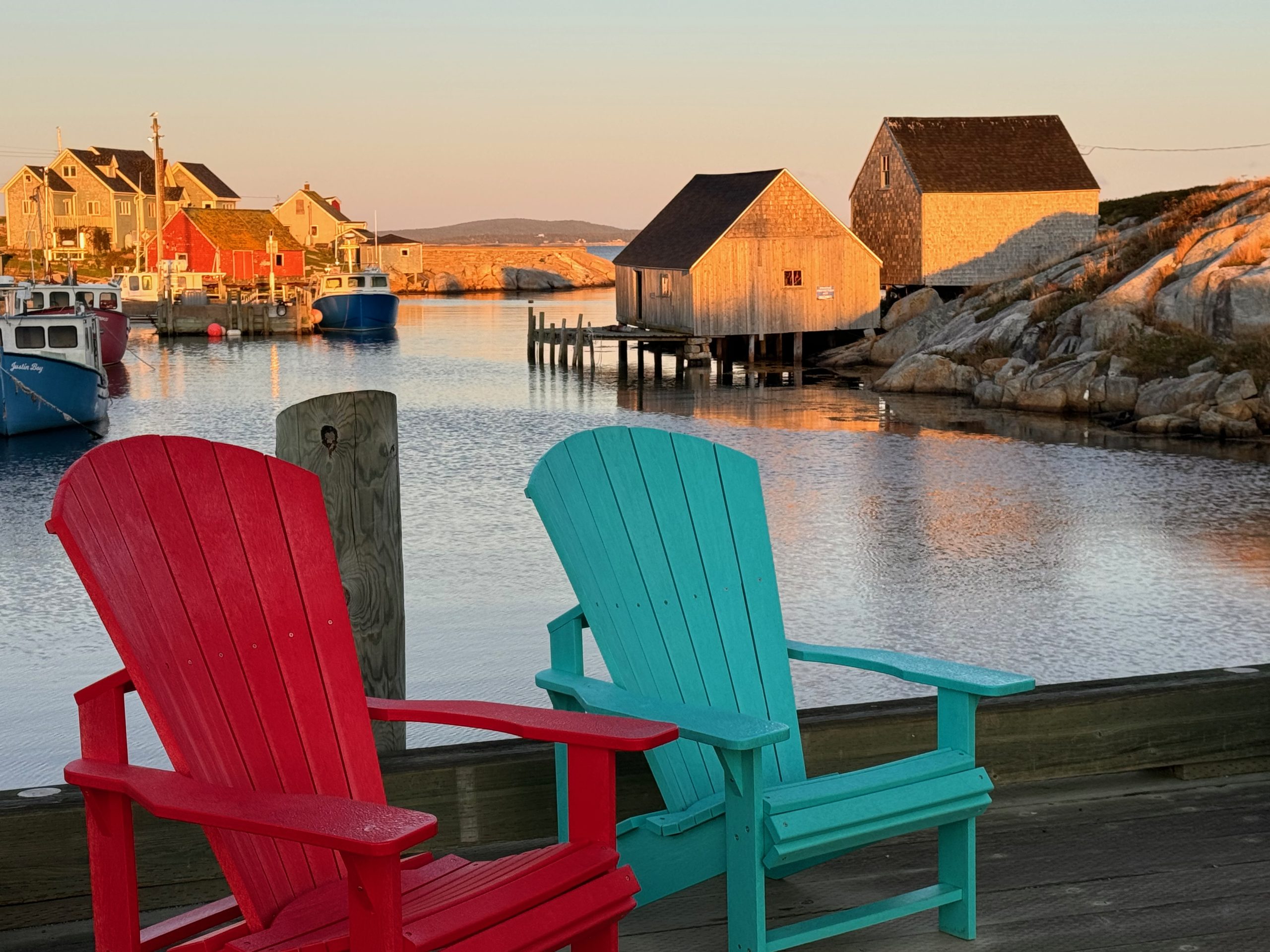
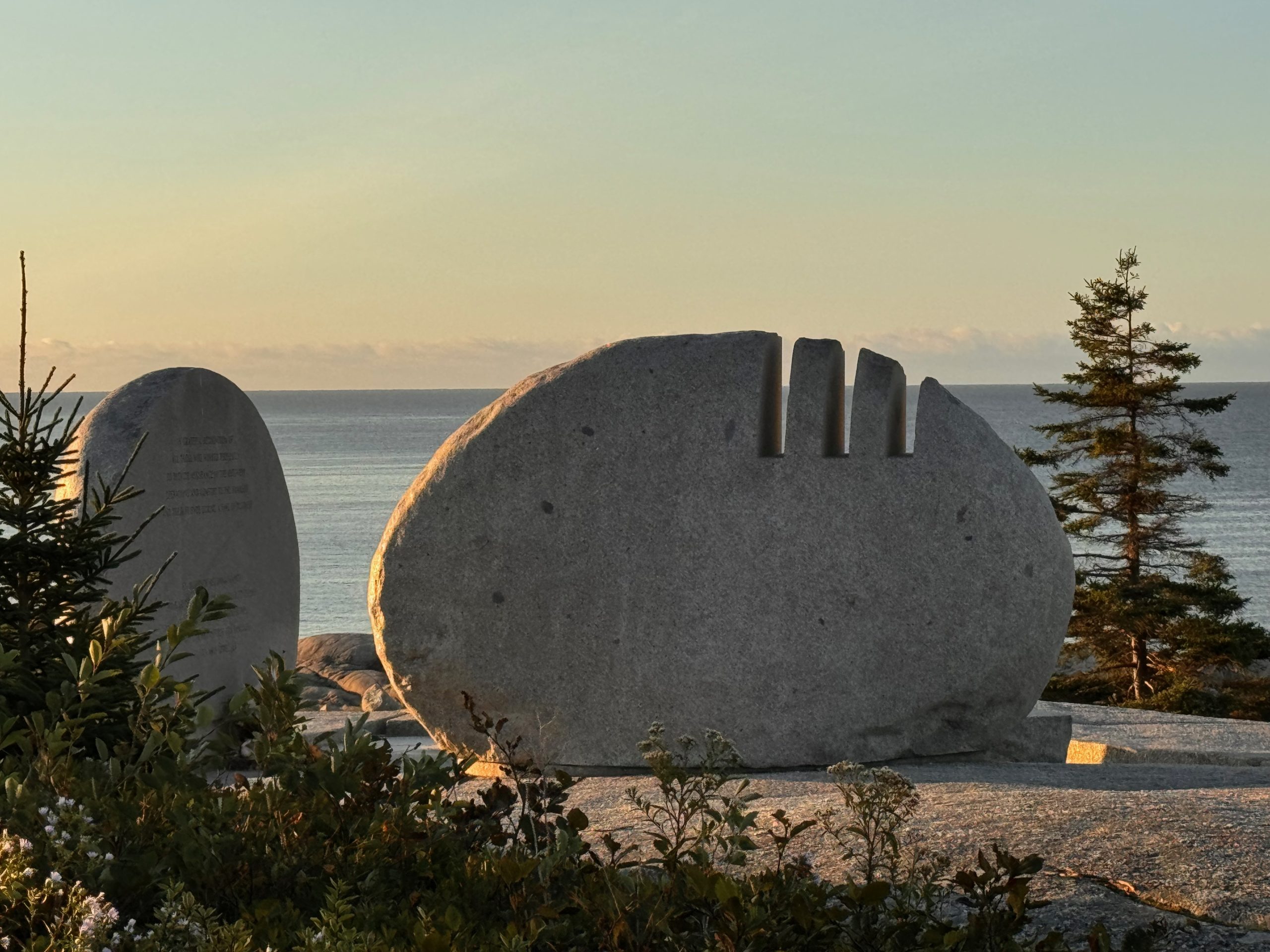
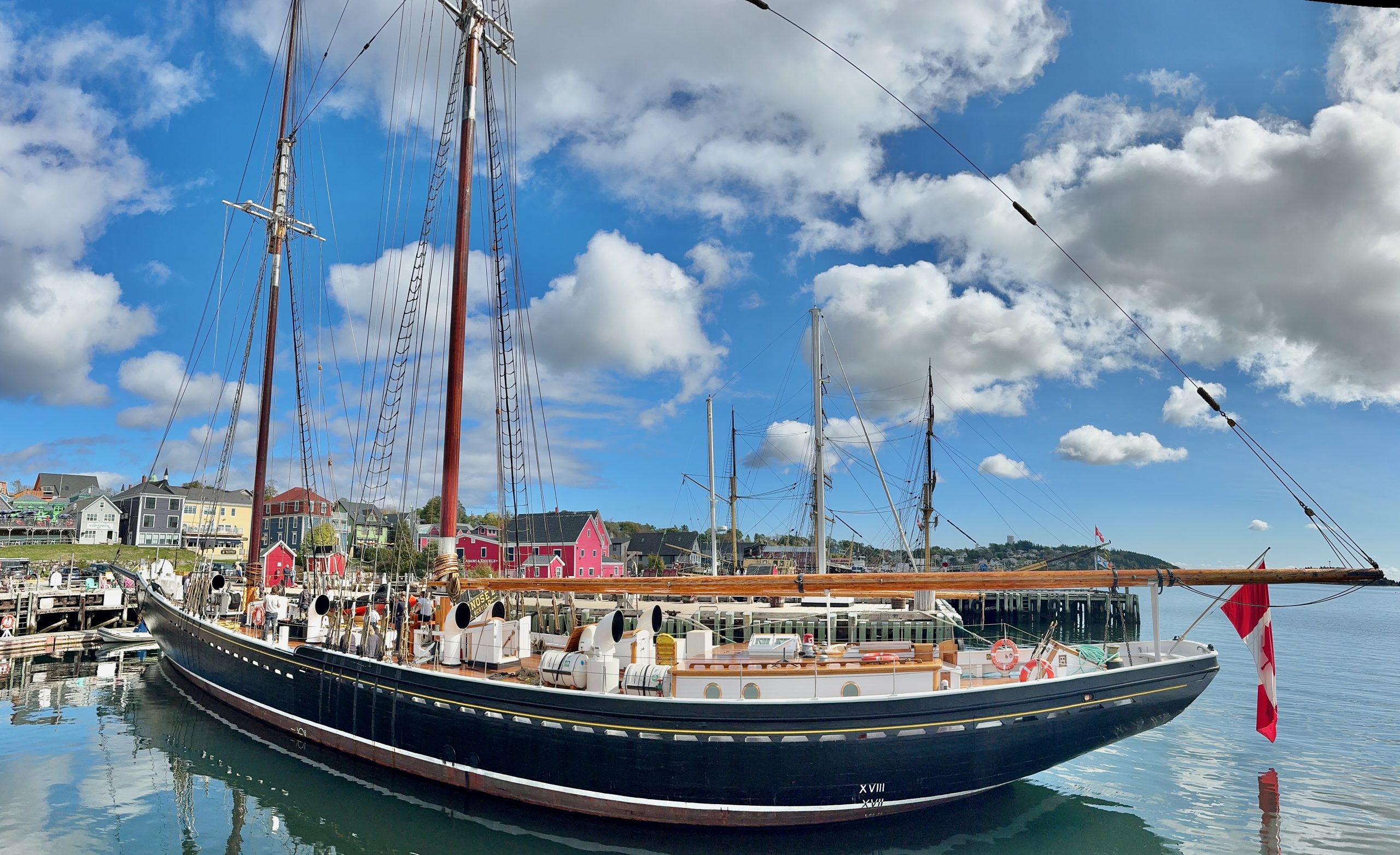
A wonderfully scenic drive follows a gentle sea through tiny villages and past stately summer homes to Lunenberg. While the town was also full of tourists, it was large enough to absorb most of them and still leave a pleasant atmosphere. It is a UNESCO World Heritage site because it’s considered “the best surviving example of a planned British colonial settlement in North America”. Our main purview was to sail on or tour the Bluenose II, a historic old schooner, but it had made its last sail of the season the day before. We were captivated watching the dismantling of the rigging to be stored off-season.
Our route from PEI to Nova Scotia
Cruising around the Cabot Trail
Ingonish Beach to Yarmouth